2026 Electric Vehicle Range Rankings - EVs Breaking 500 Miles
Chevrolet Silverado EV Max Range hits 547 miles, Lucid Air exceeds 500 miles — we analyze 2026's longest-range electric vehicles by battery capacity and real-world driving distance.
2026 Electric Vehicle Range Ranking - The Rise of 500+ Mile EVs
Hello, fellow car enthusiasts! Today, let’s take a look at the range ranking of electric vehicles expected to appear in 2026. Just a few years ago, a range exceeding 300 miles was a dream, but now electric vehicles capable of traveling over 500 miles are becoming a reality. Thanks to technological advancements, the possibilities for electric vehicles are expanding. We’ll rank them not just by listing numbers, but considering pros and cons from a real-world usage perspective and compatibility with charging infrastructure.
S Tier: Dominating Range, Setting a New Standard
The first model we need to address is the Chevrolet Silverado EV Max Range. It offers an incredible range of 547 miles (approximately 879 km) according to EPA estimates. This is the longest range record currently produced by any electric vehicle. Due to the Silverado's nature as an electric pickup truck, it was easy to incorporate a large battery, resulting in this impressive range. However, the large battery size also means a significant vehicle weight and higher battery consumption during rapid acceleration. It's a choice that requires careful consideration for those who want to maximize the advantages of an electric pickup truck while also pursuing efficient driving.
Next is the Lucid Air Grand Touring, a leading model in the electric sedan market. Its EPA estimated range of 512 miles (approximately 823 km) is among the highest of any electric vehicle released to date. Lucid’s strength lies both in its exceptional charging performance, luxurious interior, and remarkable driving performance. It utilizes a 900V architecture for ultra-fast charging, and the luxury of the interior materials is also an undeniable appeal. The only downside is that the high price might be a deterrent.
A Tier: Excellent Range, a Reasonable Choice
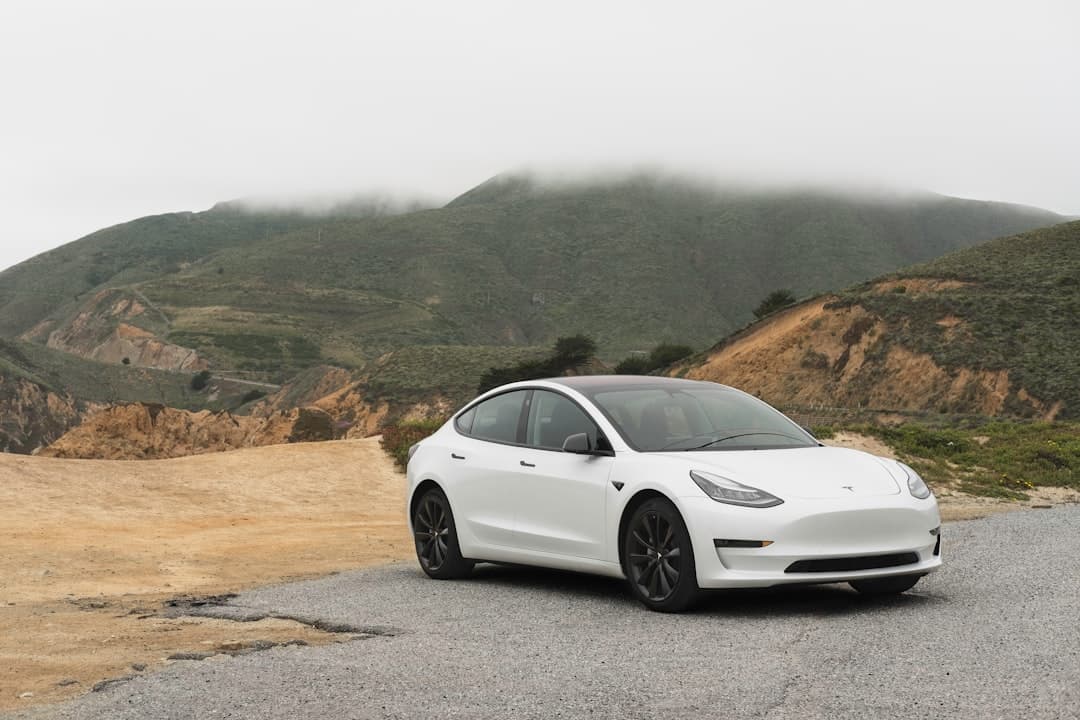
This tier has a variety of models. The Tesla Model S Plaid Refresh offers a range of over 500 miles (EPA estimated) and leverages Tesla’s signature fast charging speeds and extensive charging network. While the design hasn't changed drastically compared to previous models, performance improvements and increased range are expected.
The Mercedes-Benz EQS SUV also provides a respectable range of 390 miles (approximately 628 km) and is an attractive option for consumers who desire Mercedes-Benz’s luxury and refined driving feel. The spacious and comfortable interior ensures a comfortable experience even on long journeys. However, it has received criticism for its relatively slow charging speed compared to competing models.
B Tier: Practical Range, Value-Focused
The Rivian R1S offers a range of 410 miles (approximately 660 km) and is gaining popularity for its adventurous design and outstanding off-road performance. It supports various driving modes, allowing for stable driving on any terrain, and the spacious interior is well-suited for families. However, the relatively limited charging infrastructure can be a drawback.
C Tier: Improved Range, Entry-Level EVs
This tier includes models with a range of around 300 miles. However, thanks to overall battery technology advancements in 2026, even these models are expected to demonstrate significant range improvements. Especially in a rapidly growing electric vehicle market, manufacturers in this tier are expected to invest even more actively to secure competitiveness.
Charging Infrastructure and Real-World Range
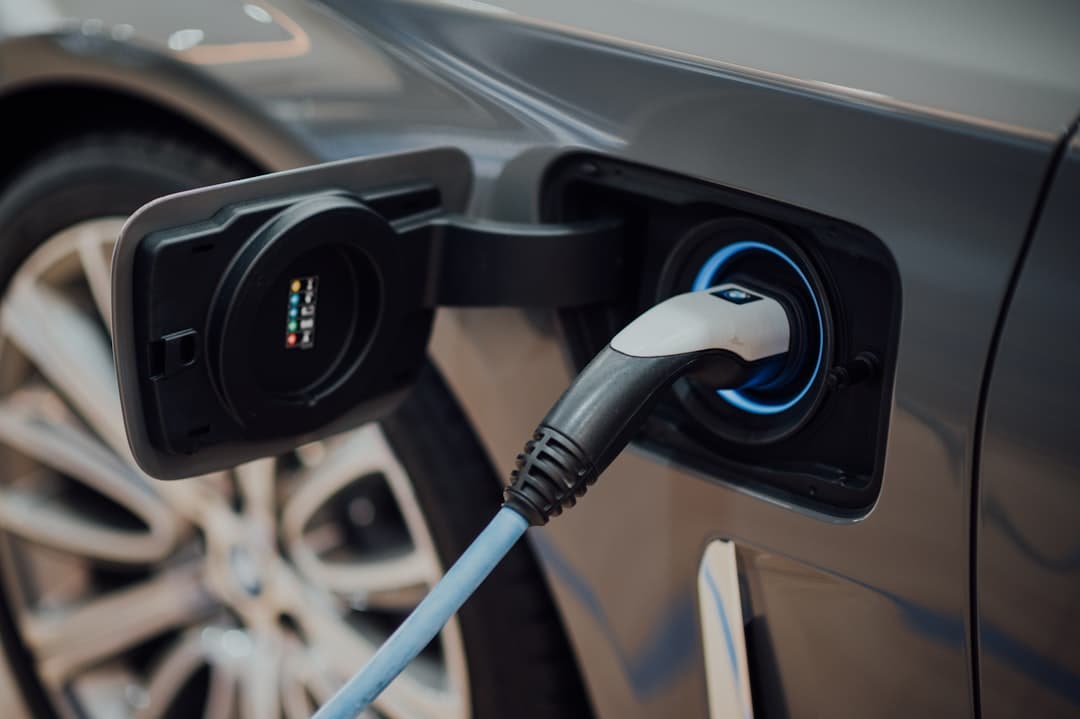
The most important thing when ranking range is not the EPA estimated figure, but the actual range in real-world usage conditions. EPA estimates are measured under ideal conditions, and the actual range can vary depending on temperature, driving habits, road conditions, and other factors. Access to charging infrastructure is also a important element. In particular, rapid charging of electric vehicles varies depending on the charger’s performance and the vehicle’s charging system, which can impact long-distance driving plans.
We expect electric vehicle real-world range to improve further through more powerful battery technology and expanded charging infrastructure in 2026. intensifying competition among various manufacturers will provide consumers with a wider range of choices. We look forward to the continued advancement of the electric vehicle market.
Disclaimer: This article is for informational purposes only and does not constitute investment advice. Investment decisions should be made based on your own judgment and responsibility.