2026 Electric Vehicle Tier List - Range, Price, Performance Analysis
Ranking 2026 EVs from S to C tier. Lucid Air, Hyundai Ioniq 6, Kia EV9, Tesla Model Y analyzed by range, charging speed, and value.
2026 Electric Vehicle Tier Ranking - thorough Analysis of Range, Price, and Performance
The electric vehicle market is changing incredibly fast. By 2026, we’ll see electric vehicles emerge that are significantly more advanced than anything we have today. No longer simply “electric vehicles,” the focus is shifting to performance, efficiency, charging speed, and, most importantly, practical usability. Today, we’ll break down the expected major electric vehicles for 2026, ranking them in tiers based on range, price, and performance. We’ll explore what vehicles belong in each tier and what factors to consider.
S Tier: The Pinnacle of Performance and Efficiency
Vehicles in this tier are more than just transportation; they’re showcases of cutting-edge technology, leaving competitors in the dust in terms of range, charging speed, and overall performance. Frankly, these vehicles were unimaginable just a few years ago.
Lucid Air: The 2026 Lucid Air has an impressive range of over 830km (EPA estimate), and charges from 10% to 80% in under 18 minutes. Advanced autonomous driving technology and a luxurious interior are also significant advantages. However, the price starts at 150 million won, which is equivalent to buying a Mercedes-Benz or BMW, making it a substantial investment. [IMAGE: Lucid Air | https://www.lucidmotors.com]
BMW iX: BMW’s electric SUV, the iX, offers a range of over 720km and high-speed charging performance within 17 minutes. The BMW driving feel and luxurious interior design remain appealing. The price, however, starting at 120 million won, makes it less accessible. [IMAGE: BMW iX | https://www.bmw.com]
S Tier vehicles are ideal for those who enjoy long-distance driving and want to experience cutting-edge technology. However, high prices and maintenance costs are factors to consider.
A Tier: Balancing Performance and Value
The A Tier comprises vehicles that offer impressive performance alongside a more reasonable price point, although not quite as outstanding as the S Tier. This tier represents the most attractive options for consumers seeking mainstream electric vehicles.
Hyundai Ioniq 6: Hyundai’s electric sedan, the Ioniq 6, features a range of 482km and high-speed charging performance within 18 minutes. It showcases exceptional aerodynamic efficiency and incorporates Hyundai’s advanced driving technology and convenient features. The price, starting in the mid-50 million won range, is highly competitive. [IMAGE: Hyundai Ioniq 6 | https://www.hyundai.com]
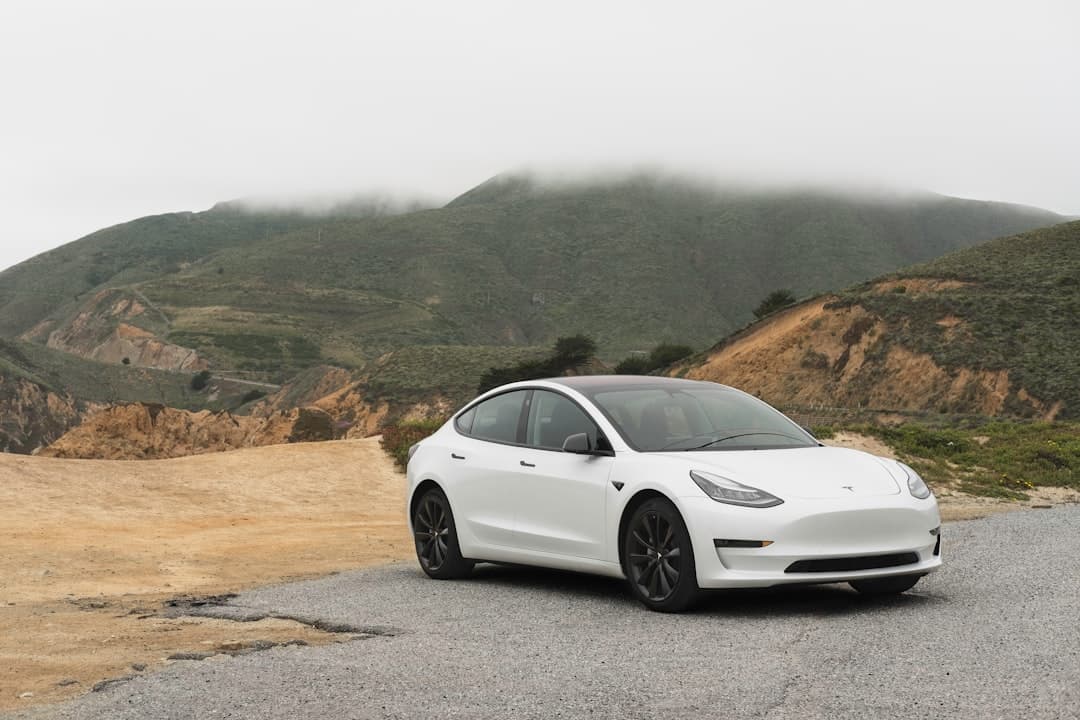
Tesla Model Y: The Tesla Model Y provides a range of 515km and high-speed charging performance within 19 minutes. Tesla's renowned infotainment system and Autopilot features remain attractive. However, it’s important to consider ongoing concerns about Tesla’s quality and service. Pricing begins in the late 60 million won range.
A Tier vehicles are well-suited for commuters and families. They offer impressive range and charging speeds, along with a reasonable price and various conveniences.
B Tier: Prioritizing Practicality and Economy
The B Tier vehicles offer a range of 300 to 400km and are relatively affordable, priced under 40 million won. They’re a good option for consumers who prioritize practicality and are looking to enter the electric vehicle space.
Kia EV9: Kia’s electric SUV, the EV9, offers a range of 428km and high-speed charging performance within 23 minutes. It provides a spacious interior and various conveniences, making it ideal for families seeking an SUV. [IMAGE: Kia EV9 | https://www.kia.com]
Nissan Ariya: The Nissan Ariya offers a range of 389km and high-speed charging performance within 23 minutes. It's characterized by Nissan’s comfortable ride and stylish design. However, some reviews suggest its performance is slightly lacking compared to competitors.
B Tier vehicles are ideal for urban driving and shorter trips. They offer excellent economy and practicality, as well as the benefit of experiencing electric vehicles at a reasonable price.
C Tier: Entry-Level Electric Vehicle Options
The C Tier offers a range of under 300km and costs under 30 million won, making it the most affordable option. It’s a good choice for consumers entering the electric vehicle space or whose primary driving is in urban environments.
Nissan Leaf: The Nissan Leaf offers a range of 248km and fast-charging performance within 36 minutes. It’s Nissan's first electric vehicle, known for its relatively affordable price and ease of use. [IMAGE: Nissan Leaf | https://www.nissan.co.kr]
Chevrolet Bolt: The Chevrolet Bolt offers a range of 383km and fast-charging performance within 32 minutes. It's characterized by its practical hatchback design and affordable price.
C Tier vehicles are suitable for consumers who frequently drive short distances and are considering entering the electric vehicle space. They offer an affordable price, ease of use, and the ability to contribute to environmental protection. Honestly, they're a fantastic option for gaining experience with electric vehicles.
What Should You Know About the 2026 Electric Vehicle Market?
As we’ve seen from this tier ranking, the 2026 electric vehicle market will be overflowing with diverse and advanced models. Let's add some important insights:
Battery Chemistry: LFP (Lithium Iron Phosphate) batteries are affordable and stable, but their lower energy density can lead to shorter range. NMC (Nickel Manganese Cobalt) batteries offer higher energy density for longer range, but are more expensive and pose a higher fire risk. We can expect new battery technologies to emerge in 2026 that address these shortcomings.
800V Charging System: An 800V charging system provides significantly faster charging speeds compared to a 400V system. While currently applied to only a few premium electric vehicles, it’s expected to become more widespread by 2026.
Battery Management System (BMS): The BMS plays a critical role in optimizing battery performance and lifespan. Advanced BMS implementations are expected to improve battery efficiency and safety in 2026.
Software-Defined Vehicles (SDV): In 2026, hardware alone isn't enough in electric vehicles; software will be even more critical. SDVs, which can continuously improve performance and add new features via OTA (Over-the-Air) updates, will become mainstream.
Whatever tier of vehicle you choose, it’s important to consider your driving style and budget. And remember, electric vehicles are more than just transportation; they're an investment in the future.
Disclaimer: This article is for informational purposes only and does not constitute investment advice. Investment decisions should be made based on your own judgment and responsibility.