2026 EV Battery Efficiency Tier List - Range & Charging Speed Compared
Ranking 2026 EVs by battery efficiency, charging speed, and real-world range: Lucid Air, Ioniq 6, Tesla Model 3, and more in S~C tiers.
2026 Electric Vehicle Battery Efficiency Tier Ranking - Comparing Range and Charging Speed
Have you ever wondered if there will ever be a time when we don’t stress about charging our electric vehicles? Even in 2023, there were concerns about electric vehicle range and charging times, but will 2026 be completely different? The answer is ‘yes, it definitely will be!’ It’s not just about increasing range; the battery efficiency itself is noticeably improving, which is truly amazing. With some models claiming to travel over 500 miles (approximately 800km), this is almost a revolutionary change. Today, let’s dive deep into the 2026 electric vehicle battery efficiency tier ranking, which has finally been revealed. Rather than just listing numbers, we'll discuss the actual differences in real-world driving conditions and how they’ll impact the future electric vehicle market. So, let’s get started?
S Tier: The Pinnacle of Battery Efficiency, Premium Electric Vehicles
First, the S Tier includes models that can be considered the pinnacle of battery efficiency. These cars don't just offer long ranges; they also boast the highest levels of energy efficiency, charging speed, and overall performance.
The most notable model is undoubtedly the Lucid Air. [IMAGE: lucid-air | https://www.lucidmotors.com] Lucid Motors is targeting the luxury electric sedan market, and the 2026 Lucid Air has an impressive 410 miles (approximately 660km) of range, along with remarkable efficiency, consuming just 5 miles (approximately 8km) per kilowatt-hour. The fast-charging performance is also excellent, with a short charging time from 10% to 80%. Of course, the price is quite steep… but I think it’s worth the investment considering the performance. Personally, I think the design of the Lucid Air is stunning. It has a futuristic yet elegant feel.
Following that, the Hyundai Ioniq 6 also made it into the S Tier. [IMAGE: ioniq-6 | https://www.hyundai.com] The Ioniq 6 delivers a range of 361 miles (approximately 582km) and over 5 miles of efficiency per kWh, especially standing out for its value for money. It offers outstanding driving performance and charging convenience at a much lower price than the Lucid Air. Hyundai’s consistent technology development efforts and reasonable pricing policies will undoubtedly be key factors in the success of the Ioniq 6.
A Tier: Balanced Performance, a Reliable Choice
The A Tier includes electric vehicles that offer over 300 miles (approximately 480km) of range and generally good efficiency.
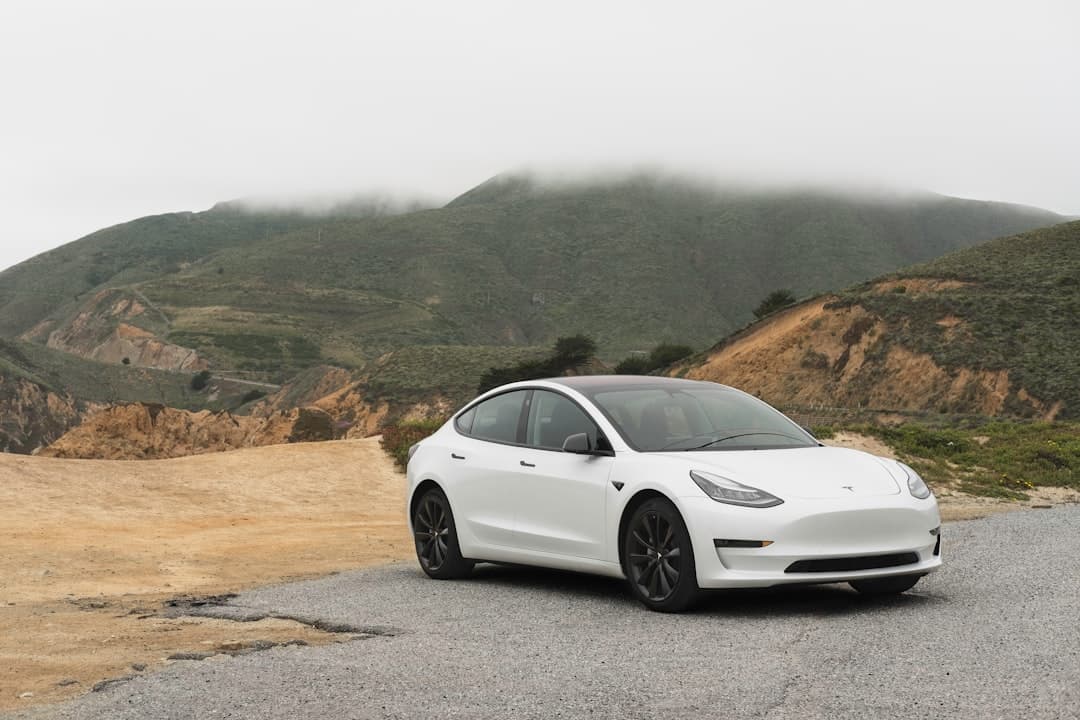
The Tesla Model 3 continues to demonstrate a strong presence. [IMAGE: tesla-model-3 | https://www.tesla.com] As Tesla has already led the electric vehicle market, the 2026 Model 3 also has improved battery efficiency and charging speed. While not as efficient as the Lucid Air or Ioniq 6, Tesla’s proprietary charging network and outstanding autonomous driving capabilities remain attractive features. I’m always amazed by Tesla's software update speed. Seeing new features added constantly shows how much Tesla pursues innovation.
B Tier: Above-Average Efficiency, Suitable for Beginners
The B Tier includes electric vehicles that showcase above-average efficiency while maintaining relatively reasonable prices. These cars can be a good choice for electric vehicle beginners.
This tier can include various models, such as Volvo’s electric vehicle models, which are popular among consumers who prioritize safety and interior design.
C Tier: Budget-Friendly Choice
The C Tier is for models intended for consumers who are first experiencing electric vehicles. Their range and efficiency may be relatively lower, but they offer the advantage of experiencing electric vehicles at a low price.
LFP vs NMC: The Battery Chemistry Choice
When discussing battery efficiency, battery chemistry is also an important consideration. Primarily, LFP (Lithium Iron Phosphate) and NMC (Lithium Nickel Manganese Cobalt) batteries are used, each with its own advantages and disadvantages. LFP batteries have a lower energy density than NMC batteries, which can result in a shorter range, but they boast a longer lifespan and better stability. Conversely, NMC batteries have higher energy density, leading to a longer range, but may have a shorter lifespan and concerns about safety. By 2026, the efficiency of LFP batteries is expected to have significantly improved, reducing the gap between them and NMC batteries.
It's difficult to definitively say which battery chemistry is better. The choice depends on individual priorities. For example, if you prioritize a long range, NMC batteries may be more suitable, while if you prioritize safety and lifespan, LFP batteries may be more appropriate.
The future electric vehicle market will become even more competitive. The pace of battery technology development is faster than imagined, so the 2026 ranking may undergo further changes. However, one thing is certain: electric vehicle performance will continue to evolve. If you are considering buying an electric vehicle, I hope the information presented today has been somewhat helpful. I’ll continue to share new electric vehicle information, so please look forward to it!
Disclaimer: This article is for informational purposes only and does not constitute investment advice. Investment decisions should be made based on your own judgment and responsibility.