2026 EV Battery Technology Comparison - LFP vs NCM vs Solid-State
Tier analysis of 2026 EV battery technologies. Comparing lithium iron phosphate (LFP), NCM, and solid-state batteries by energy density, safety, charging speed, and lifespan.
2026 Battery Technology Comparison: Lithium Iron Phosphate vs. Nickel-Based (NCM) vs. Solid-State
As the electric vehicle (EV) market continues its rapid growth, battery technology is also constantly evolving. It's no longer just about extending driving range; safety, lifespan, and charging speed are all becoming increasingly important factors. What core battery technologies will power the EV market in 2026 and beyond? Today, we’ll provide an in-depth comparison and analysis of Lithium Iron Phosphate (LFP), Nickel-Manganese-Cobalt (NCM), and the future technology of solid-state batteries to address your questions.
Lithium Iron Phosphate (LFP): A Smart Choice Prioritizing Safety and Cost-Effectiveness
One of the fastest-growing battery technologies in the current EV market is Lithium Iron Phosphate (LFP) batteries. Companies like BYD are actively leveraging the advantages of LFP batteries, leading to increased market share. The biggest strengths of LFP batteries are their exceptional safety and long lifespan. They exhibit superior thermal stability compared to other battery types, significantly reducing the risk of fire. They also boast a long lifespan, with minimal performance degradation even after many charge and discharge cycles.
[IMAGE: BYD Blade Battery | https://www.byd.com/en/battery]
However, LFP batteries have the disadvantage of lower energy density. This means that, for a given size, they can offer a shorter driving range compared to NCM batteries. Performance can also be more noticeably affected in low-temperature environments. BYD has addressed this limitation to a significant extent with its 'Blade Battery' technology, expanding the application range of LFP batteries. They are primarily used in entry-level EVs and long-range buses, making them a suitable choice for consumers who prioritize safety.
Tier: B
- Performance: Lower energy density may result in shorter driving range.
- Price: Relatively inexpensive, contributing to lower EV prices.
- Safety: Excellent thermal stability minimizes fire risk.
Nickel-Based (NCM): A Choice for Those Seeking High Energy Density
Nickel-Manganese-Cobalt (NCM) batteries were the dominant technology in the early days of the EV market. Many automakers, including Tesla, have adopted NCM batteries, which still offer high energy density. NCM batteries optimize performance by adjusting the ratio of nickel, manganese, and cobalt in lithium-ion batteries. Increasing the nickel content boosts energy density but tends to reduce safety.
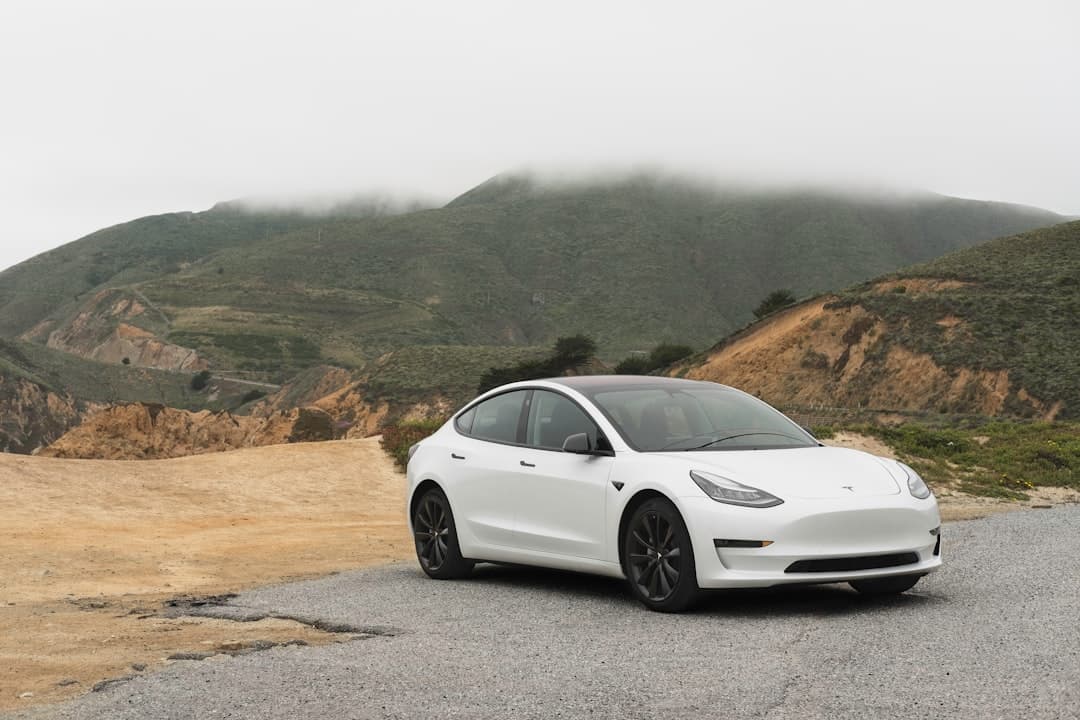
[IMAGE: Tesla Battery Pack | https://www.tesla.com/](Tesla does not publicly disclose detailed information regarding its battery pack design. A general image of a Tesla vehicle is used.)
While NCM batteries offer a longer driving range than LFP batteries, safety remains a challenge. cobalt supply chain issues and price fluctuations are factors driving up battery costs. Recent efforts focus on reducing cobalt dependency and enhancing safety by decreasing nickel content and increasing manganese content. This technology is appropriate for high-performance EVs and drivers desiring longer driving ranges.
Tier: A
- Performance: Provides a long driving range with high energy density.
- Price: Price is sensitive to fluctuations in cobalt prices.
- Safety: Less safe than LFP batteries.
Solid-State Batteries: An Innovative Technology for the Future, Still in Early Stages
Solid-state batteries replace the liquid electrolyte in conventional lithium-ion batteries with a solid material. This change is expected to significantly improve battery safety, energy density, and charging speed. Toyota is aggressively developing solid-state batteries, aiming for commercialization in the late 2020s.
[IMAGE: Toyota Solid State Battery Prototype | https://global.toyota/jp/newsroom/toyota/2023/11/toyota-next-generation-battery.html]
Solid-state batteries have the potential to reduce fire risk and increase energy density, resulting in safer and longer driving ranges. Faster charging speeds are also anticipated. However, solid-state batteries are still in the early stages of development, and several technical challenges must be overcome before commercialization. Notably, improving the performance of the solid electrolyte and securing mass production technology are critical. While widespread adoption before 2026 is unlikely, solid-state batteries undeniably represent an innovative technology that will transform the future EV market.
Tier: C
- Performance: Theoretically offers high energy density and fast charging speeds, but current technology requires validation.
- Price: Current production costs are extremely high, indicating a significant time frame before commercialization.
- Safety: Expected to be safer than existing batteries, but this remains to be verified.
Each battery technology has its own advantages and disadvantages, and the appropriate technology varies depending on the specific application. The EV market is expected to become even more diversified in 2026 and beyond, and market share may shift based on the development speed of each battery technology. We look forward to continued attention and research & development in battery technology to bring even safer and more efficient EVs to us in the future.