2026 EV Battery Technology Ranking - Which Brands Hit 300+ Mile Range?
Tier-ranked analysis of 2026 electric vehicle battery tech. Compare Lucid, Hyundai, Tesla, Nissan and more on performance, charging speed, and range.
2026 Electric Vehicle Battery Technology Tier List – Which Brands Achieve 300+ Mile Range?
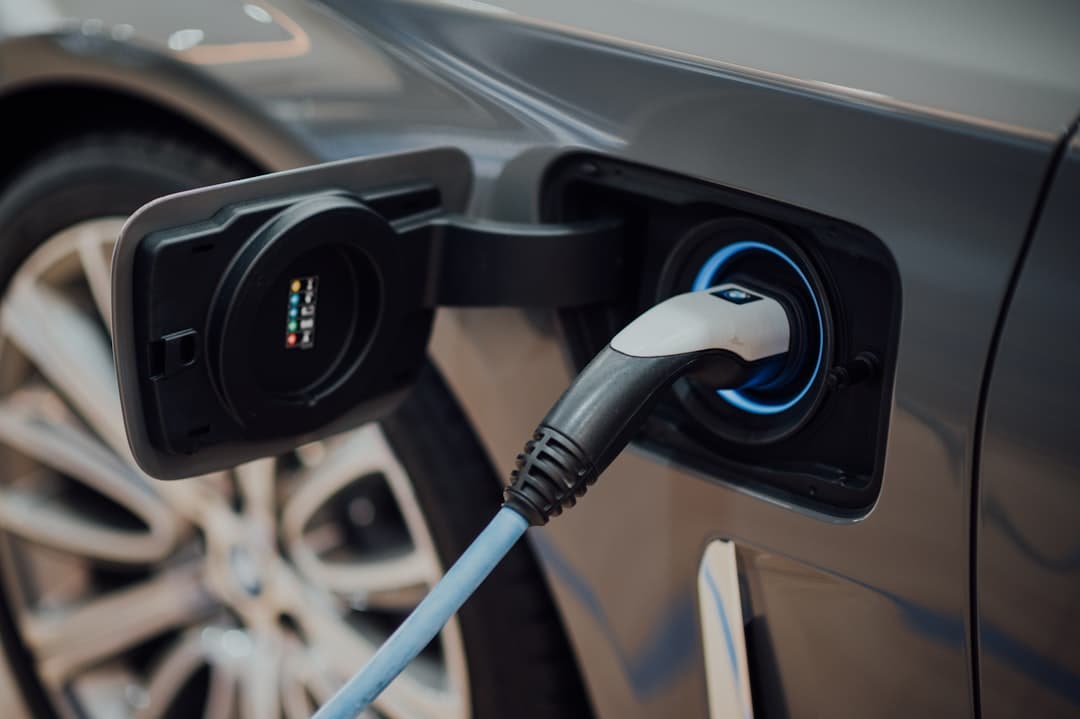
Do you still feel anxious about electric vehicle charging? As of 2026, electric vehicle battery technology has advanced beyond imagination. It’s not just about faster charging times; driving range has dramatically increased, and efficiency has improved, bringing us to an era where long-distance driving is no longer a worry. The fact that CATL and BYD account for over 55% of the electric vehicle market share alone hints at the scale of this change. Today, we will organize electric vehicle brands capable of achieving over 300 miles (approximately 483 km) of driving range into a tier list and look at the current state of electric vehicle battery technology in 2026.
S Tier: Dominating Performance, Leading the Future
The brands in this tier demonstrate the highest level of performance in every aspect – driving range, charging speed, and battery durability. They have not only provided simple satisfaction but have fundamentally changed the criteria for choosing an electric vehicle.
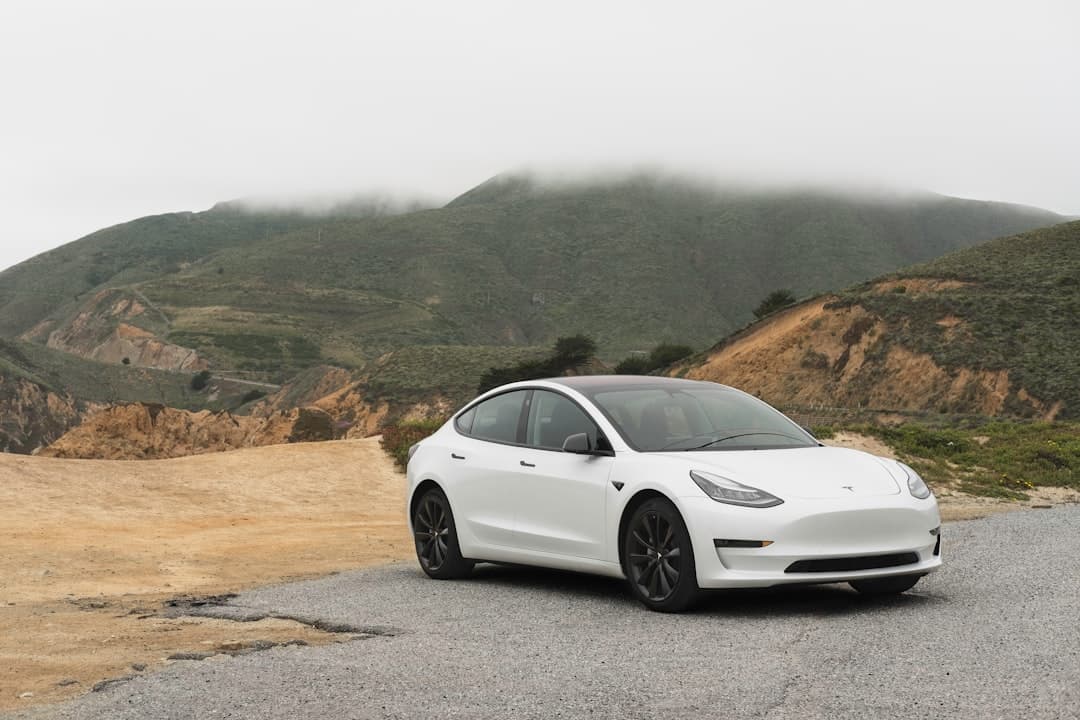
Tesla: The 2.0 model is now commonplace. Battery efficiency has been maximized, allowing for much longer driving distances and noticeably improved fast charging performance. This has made long journeys much more comfortable. [IMAGE: Tesla | ] Lucid: Lucid's efforts are bearing fruit. They are launching models capable of driving over 500 miles thanks to significantly improved battery technology, setting a new benchmark for the electric vehicle market. Their efficient energy management system is particularly noteworthy. [IMAGE: Lucid | ] Ford Mustang Mach-E Rally: This model combines powerful performance with excellent driving range. It also has off-road performance, allowing drivers to confidently navigate any environment. [IMAGE: Ford Mustang Mach-E Rally | ]
A Tier: Excellent Performance, Expanding Choice
While slightly less impressive than the S Tier brands, these still offer excellent performance and can be attractive choices for a wide range of consumers.
Rivian: Overall battery efficiency improvements have significantly increased driving range. Charging speed, which was previously cited as a drawback of earlier models, has also been improved, enhancing user convenience. However, there is still a slight feeling of inadequacy compared to the S Tier brands. [IMAGE: Rivian | ] Toyota: Having entered the electric vehicle market, they have consistently invested in technology development and have achieved considerable results as of 2026. The increased driving range combined with Toyota's characteristic stable performance is expected to appeal to many consumers. [IMAGE: Toyota | ] Hyundai: Through continuous technology investment and innovation, both driving range and charging performance have been improved. In particular, the development of the battery management system has maximized efficiency. Consumer expectations for Hyundai's electric vehicles are high. [IMAGE: Hyundai | ]
B Tier: Balancing Value and Solid Performance
These brands offer excellent performance for their price and can be a suitable choice for electric vehicle beginners. However, in terms of driving range and charging speed, they are somewhat behind the S and A Tier brands.
BMW: Maintaining a consistent presence in the electric vehicle market, they have increased driving range through improved battery technology. Drivers can still experience the characteristic BMW driving pleasure. [IMAGE: BMW | ] Volvo: Prioritizing safety above all else, Volvo has strengthened safety systems alongside battery technology advancements. This allows consumers to enjoy long-distance driving with peace of mind. [IMAGE: Volvo | ] Chevrolet: This brand offers an electric vehicle experience at a relatively affordable price. The driving range is somewhat disappointing, but it provides practical performance. [IMAGE: Chevrolet | ]
C Tier: Continuous Development, Possibilities for the Future
These brands still have areas for improvement, but they have high potential for future technological advancements. While their driving range and charging speed are relatively low, they are competing on price.
Nissan: They are working to establish their position in the electric vehicle market through continuous technology development. While the driving range is a drawback, future developments are anticipated. [IMAGE: Nissan | ] Volkswagen: They have entered the electric vehicle market, but their driving range and charging performance are still lacking compared to the S and A Tier brands. However, considering Volkswagen's technology, they are expected to make further advancements in the future. [IMAGE: Volkswagen | ]
Electric vehicle battery technology is constantly evolving, and 2026 marks an important milestone in that evolution. However, it's important to remember that even more slender, lighter, and higher-energy-density batteries will emerge in the future. Nevertheless, purchasing an electric vehicle currently provides a different kind of enjoyment than the worries of the past. Perhaps, even if you don’t buy an electric vehicle right now, even more amazing electric vehicles might be waiting for us in the future. news of China’s development of batteries capable of driving over 1,000 km further emphasizes the potential for future advancements.
Disclaimer: This article is for informational purposes only and does not constitute investment advice. Investment decisions should be made based on your own judgment and responsibility.