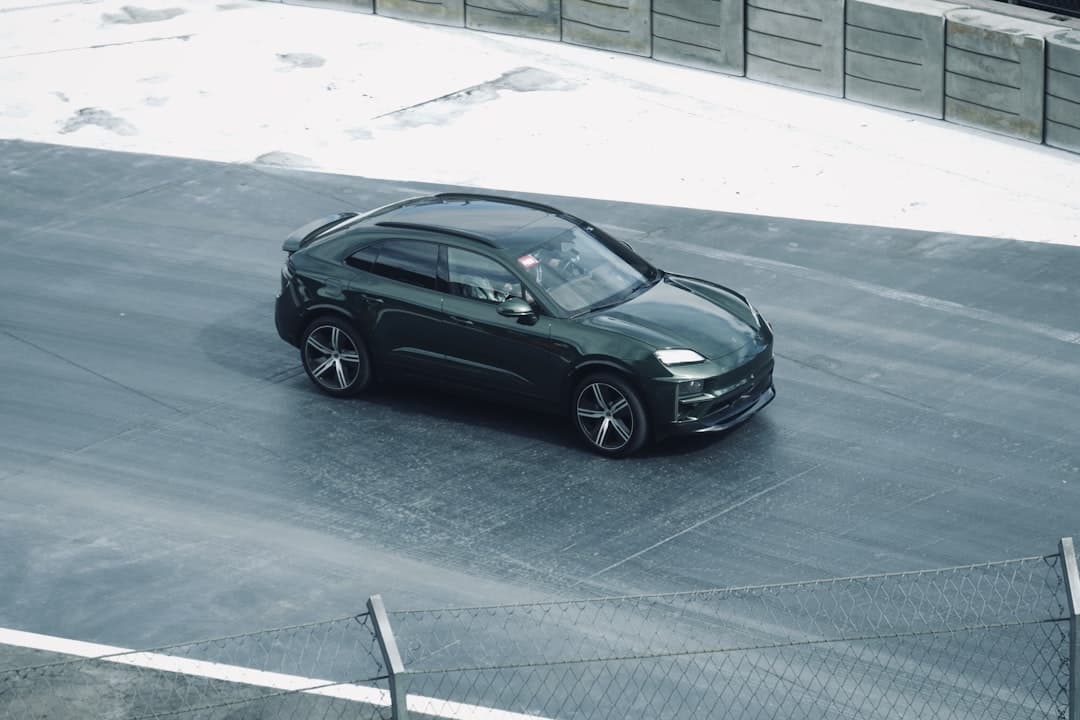
2026 SUV Safety Rankings - Based on IIHS/NHTSA Crash Tests
2026 SUV tier rankings based on IIHS Top Safety Pick+ and NHTSA 5-star ratings. Safety grades, braking distances, and avoidance performance data for Subaru Forester, Hyundai Santa Fe, Mazda CX-90, and more. Compact/midsize/large segment recommendations.
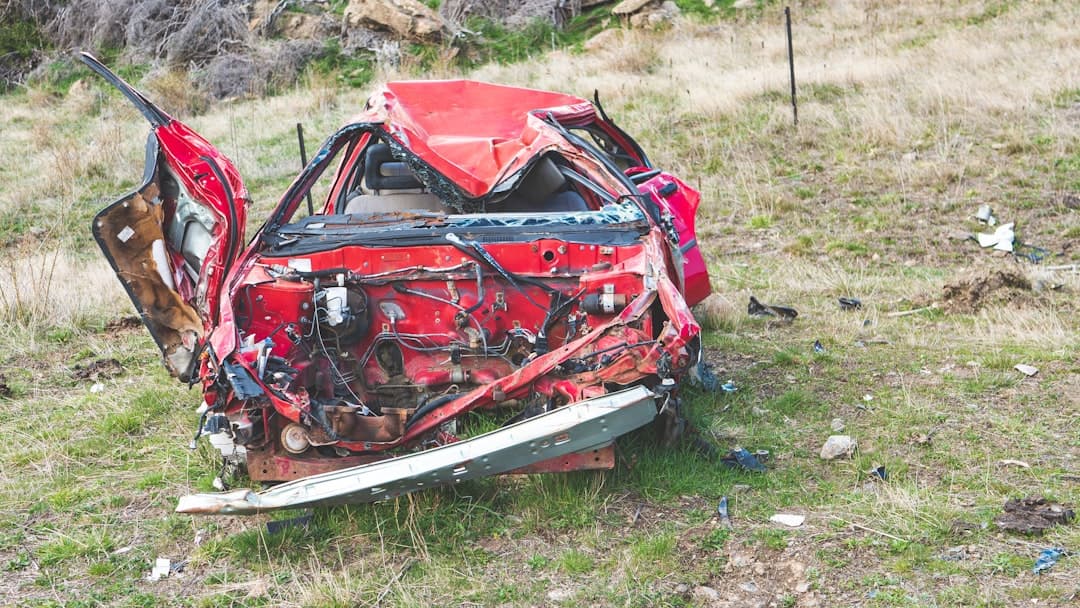
2026 SUV Safety Tiers - Ranked Based on IIHS/NHTSA Crash Tests
Safety is one of the most important considerations when buying a car. Especially for those with families, you carefully check safety information. In the 2026 SUV market, even more advanced safety standards and technologies are being applied. We will analyze the 2026 SUVs in tiers from S to C based on the National Highway Traffic Safety Administration (NHTSA)'s 5-star safety rating and the Insurance Institute for Highway Safety (IIHS)'s Top Safety Pick+ certification. Let's take a look at which SUVs demonstrate outstanding safety in each tier and what improvements are needed.
S Tier: Top Models Boasting the Highest Safety
The S tier includes models that are expected to demonstrate the highest safety, based on current test results and anticipated performance. Vehicles in this tier not only receive high scores but are also leading the trend in future automotive safety technology.
The Audi All-new A5 is a Top Safety Pick+ award-winning model from IIHS, securing excellent safety through its outstanding body rigidity and advanced driver-assistance systems (ADAS). [IMAGE: Audi All-new A5 | audi.com/a5] The BMW X3 has also earned the IIHS Top Safety Pick+ certification, providing a high level of crash protection thanks to its robust body structure and various safety features. The BMW Active Driving Assistant, in particular, helps reduce driver fatigue and reduce the risk of accidents.
The Audi Q6 Sportback e-tron is also a Top Safety Pick+ model selected by IIHS. Based on an electric vehicle platform, it provides a safer and more efficient driving environment, with ADAS functions such as emergency braking system and lane keeping assist system included as standard, enhancing safety. All of these incorporate cutting-edge safety technology, providing both an active accident prevention system. Overall, I think these models are worth the investment.
A Tier: Models Providing a Stable Level of Safety Performance
The A tier includes models that provide a generally stable level of safety performance, although not as overwhelming as the S tier. Vehicles in this tier offer excellent value for money and the advantage of being able to further enhance safety through various options.
The Hyundai Santa Fe has earned an NHTSA 5-star safety rating and has been selected as an IIHS Top Safety Pick. It incorporates Hyundai’s next-generation safety technologies, and the advanced driver-assistance systems that utilize various sensors and cameras are responsible for driver safety. [IMAGE: Hyundai Santa Fe | hyundai.com/santa-fe] The Kia Sportage is also an IIHS Top Safety Pick, boasting a sturdy body structure and excellent crash safety performance. Kia’s Intelligent Safety Control (KIS) automatically adjusts safety functions according to driving conditions to minimize accident risk.
The Subaru Forester offers excellent safety through its "EyeSight" Drive Assist technology. This system integrates functions such as automatic emergency braking, lane keeping assist, and adaptive cruise control to reduce driver burden and aid safe driving. However, it’s a bit disappointing that Subaru shows some weakness in rollover tests.
B Tier: Models with Above-Average Safety Performance
The B tier includes models with above-average safety performance, with the potential to move up to a higher tier with some improvements. Vehicles in this tier have excellent price competitiveness and appeal to a wide range of consumers.
The Ford Explorer is an IIHS Top Safety Pick, but received below-average scores in some items in the NHTSA evaluation. However, you can choose various safety functions as options, and it is constantly improving its safety performance. [IMAGE: Ford Explorer | ford.com/explorer] The Mazda CX-90 PHEV received an NHTSA 5-star overall rating, but was rated 4 stars in the rollover test. Mazda’s excellent body rigidity and various ADAS functions are impressive, but rollover safety has room for improvement.
These vehicles in this tier could receive higher ratings if the method of providing safety features as options or the results of specific crash tests are improved.
C Tier: Models That Need Safety Improvements
The C tier includes models that need improvements in terms of safety. These vehicles have basic safety functions but require more effort to secure safety due to relatively low crash test results or ADAS performance.
Models in the C tier often do not meet the current safety standards being marketed. However, manufacturers are working to improve safety performance through continued research and development, and are expected to introduce even safer vehicles in the future. If you are considering vehicles in this tier, it is important to carefully check safety options and compare them with other models.
the 2026 SUV market is expected to see the release of a wider variety of safer models as consumers' interest in safety increases. The tier classification presented here is based on currently available information, and the rankings may change as new test results are announced. Therefore, if you are considering buying a car, it is important to check various information and select the optimal model for you. Personally, I think it would be a regret-free choice to select a model in the S or A tier if you prioritize safety. Safety is a value that should never be compromised.
[IMAGE: Mazda CX-90 PHEV | mazdausa.com/vehicles/crossover-suv/cx-90/](Mazda CX-90 PHEV)
Disclaimer: This article is for informational purposes only and does not constitute investment advice. Investment decisions should be made based on your own judgment and responsibility.