Louis Vuitton and Chanel: Dominating Luxury Leather Goods in 2026
Louis Vuitton's 22% market share and Chanel Classic Flap's 93% value growth. Analyzing the strategies of two brands dominating the $37.99B luxury handbag market in 2026.
Louis Vuitton and Chanel: Dominating the Luxury Leather Goods Market in 2026
Louis Vuitton and Chanel shine at the heart of the luxury market. These two brands have evolved beyond being mere fashion companies, leading the global luxury leather goods market with their long history, established brand values, and unique designs. This post deeply analyzes the outlook for the luxury leather goods market in 2026, along with Louis Vuitton and Chanel's current market dominance, differentiation strategies, and future prospects.
Growth of the Luxury Handbag Market and Key Players
The global luxury handbag market is experiencing consistent growth and is projected to reach approximately $37.99 billion in 2026. forecasts predict a rise to a substantial $60.42 billion by 2034, making it a high-growth market. Within this promising space, a handful of brands – Louis Vuitton, Chanel, Hermès, Gucci, and Prada – dominate a significant share of the market and wield considerable influence. They secure their competitive advantage through brand prestige, an exclusive image, and strategic pricing policies.
Louis Vuitton: Beyond Leather Goods and Travel Collections – A Proposal for a Lifestyle
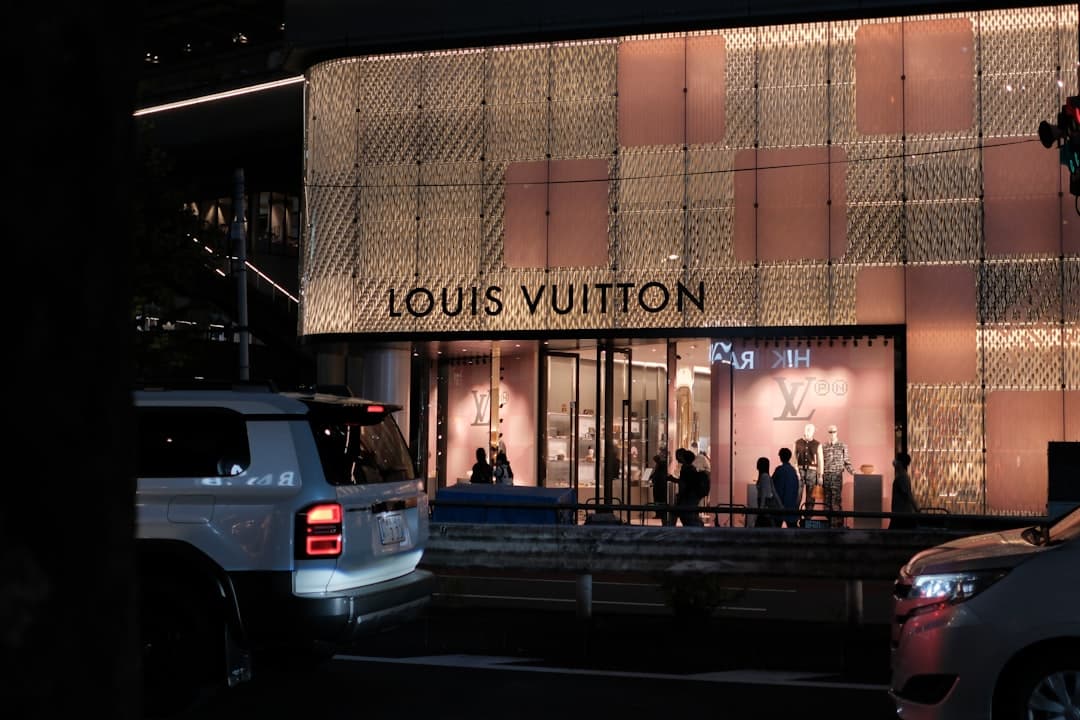
As of 2022, Louis Vuitton held a commanding 22% market share in the global luxury handbag market, securing a clear number one position. This represents an overwhelming dominance alongside Hermès. Louis Vuitton's success isn't simply about following trends; it stems from consistently maintaining the quality of its leather goods, built upon innovative design and artisanal craftsmanship. In particular, its travel collection reflects the brand's long history and tradition, playing a vital role in establishing its identity.
Louis Vuitton is continually exploring new avenues through collaborations with artists, attracting a younger demographic and building a compelling brand image. seamlessly integrating online and offline stores enhances the customer experience and strengthens its position in the global market. In 2022, its brand value reached $124.273 billion, recognizing it as the highest value among luxury brands.
Chanel: Investing in Timeless Elegance
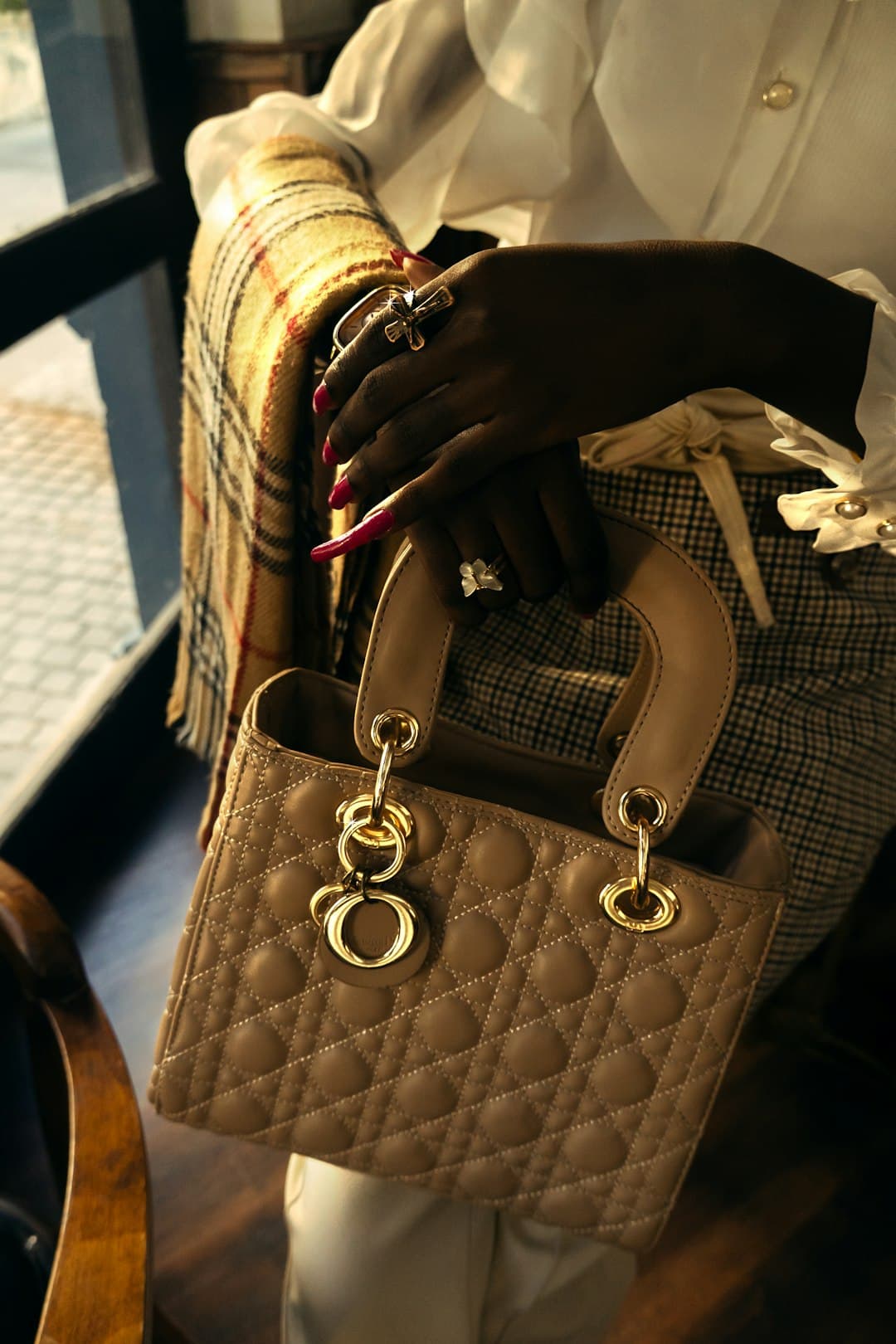
Alongside Louis Vuitton, Chanel is a cornerstone brand driving the luxury leather goods market. Holding approximately 12% of the market share as of 2022, Chanel ranks as the second highest in market share after Louis Vuitton. Chanel's core competency lies in timeless elegance and classic design. Its structured craftsmanship delivers enduring beauty, creating products that are loved for years to come.
The Chanel Classic Flap bag recorded the highest performance among collectible fashion items from 2020 to 2025, showing a remarkable 93% value increase over five years. The retail price of a Chanel Classic Flap Medium/225 rose from $5,850 in 2019 to $11,300 in 2023, and strong demand continues in the resale market. This demonstrates that Chanel products are perceived not merely as consumables but as valuable investment pieces.
Comparative Analysis of Louis Vuitton and Chanel's Differentiation Strategies
While both Louis Vuitton and Chanel lead the luxury market, they build their own unique territories through distinct differentiation strategies.
- Louis Vuitton: Leads trends through innovative designs and collaborations, actively targeting younger generations. The travel collection emphasizes Louis Vuitton's traditional strengths, reinforcing its image as a lifestyle brand.
- Chanel: Maintains classic and elegant designs, emphasizing its long history and tradition. It focuses on value investing with products that appreciate in value, pursuing steady and stable growth.
Both brands leverage online and offline sales channels to drive growth, but differ in their approach to customer experience. Louis Vuitton focuses on providing digitally-driven experiences with innovative technology, while Chanel emphasizes a luxurious and personalized offline experience.
Outlook for the Luxury Leather Goods Market After 2026 and the Future of the Two Brands
The luxury leather goods market is expected to continue its steady growth after 2026. Particularly, increasing demand for luxury products from younger generations suggests Louis Vuitton and Chanel will secure even stronger growth momentum.
Louis Vuitton needs to acquire new customers through innovative designs and collaborations and enhance its online competitiveness by strengthening digital experiences. It also needs to reinforce its brand image through sustainable materials and contributions to environmental protection.
Chanel should maintain its classic designs and traditional values while developing new product lines that appeal to younger generations. expanding online sales channels and enhancing personalized services will improve the customer experience.
Louis Vuitton and Chanel are expected to continue dominating the luxury leather goods market after 2026. Leveraging their respective strengths and adapting to changing market conditions, the two brands will shape the future of the luxury market.
Disclaimer: This article is for informational purposes only and does not constitute investment advice. Investment decisions should be made based on your own judgment and responsibility.