2026 Luxury Market Forecast: 4-6.5% Growth Driven by China and the US
The 2026 luxury market will grow 4-6.5%, driven by China's stabilization, US market strength of $74B, and experiential retail trends.
2026 Luxury Market Forecast: 4-6.5% Growth Driven by China and the US
While the luxury market showed signs of slowing down from the latter half of 2023, forecasts predict a rebound with growth rates of 4-6.5% in 2026. Amidst expectations of low single-digit growth across the global fashion industry, the Chinese and American markets are expected to be the primary drivers of luxury market expansion. This blog post will analyze the key trends and growth drivers of the 2026 luxury market, with a detailed look at the roles of China and the US.
Luxury Market Status & 2026 Outlook
The luxury market has consistently grown in recent years, fueled by post-pandemic revenge spending and increased consumption from younger generations. However, 2025 is anticipated to experience a period of stagnation, with growth slowing down. Fortunately, a modest recovery of around 3% is projected for 2026, with further acceleration expected thereafter. This is attributed to a recovery in consumer sentiment, consistent demand for premium products, and particularly the growth potential of the Chinese and American markets.
Looking at overall market size, the US luxury fashion market is predicted to reach $74.09 billion in 2025 and grow to $101.43 billion by 2033. Specifically, the affordable luxury fashion market is projected to reach $41.69 billion by 2026, supported by a growing number of high-net-worth individuals and strong demand for premium fashion, accessories, and experiential luxury.
China's Luxury Market: Stabilization & New Opportunities
China is one of the most important countries in the luxury market. However, recent economic uncertainties and a slowdown in consumer confidence have led to a deceleration in luxury market growth. The Chinese luxury market is expected to enter a phase of cautious stabilization in 2026, influenced by demographic shifts, evolving tastes, and a complex macroeconomic environment.
While Chinese luxury sales are expected to be relatively flat in 2026, this also signals a bottoming out. This means a slight rebound is anticipated from 2026 onwards, with a growing preference for restrained and experience-driven luxury amongst consumers, even amid ongoing macroeconomic uncertainties and a shrinking base of aspirational consumers.
Chinese consumers are now seeking 'emotional spending' beyond simple consumption, and brands must transform one-off purchases into key attractions. As spending becomes more selective, there will be a notable focus on entry-level luxury, experiential offerings, and high-frequency touchpoints. Therefore, luxury brands need to strengthen their competitiveness in the Chinese market by targeting second-tier cities, innovating experiences, and increasing digital engagement.
US Luxury Market: Consistent Growth & Premium Experiences
Driven by a stable economy and high purchasing power, the US continues to drive consistent growth in the luxury market. A large number of high-net-worth individuals, combined with strong consumer demand for premium fashion, accessories, and experiential luxury, support market expansion. The US luxury fashion market is forecasted to grow from $74.09 billion in 2025 to $101.43 billion by 2033.
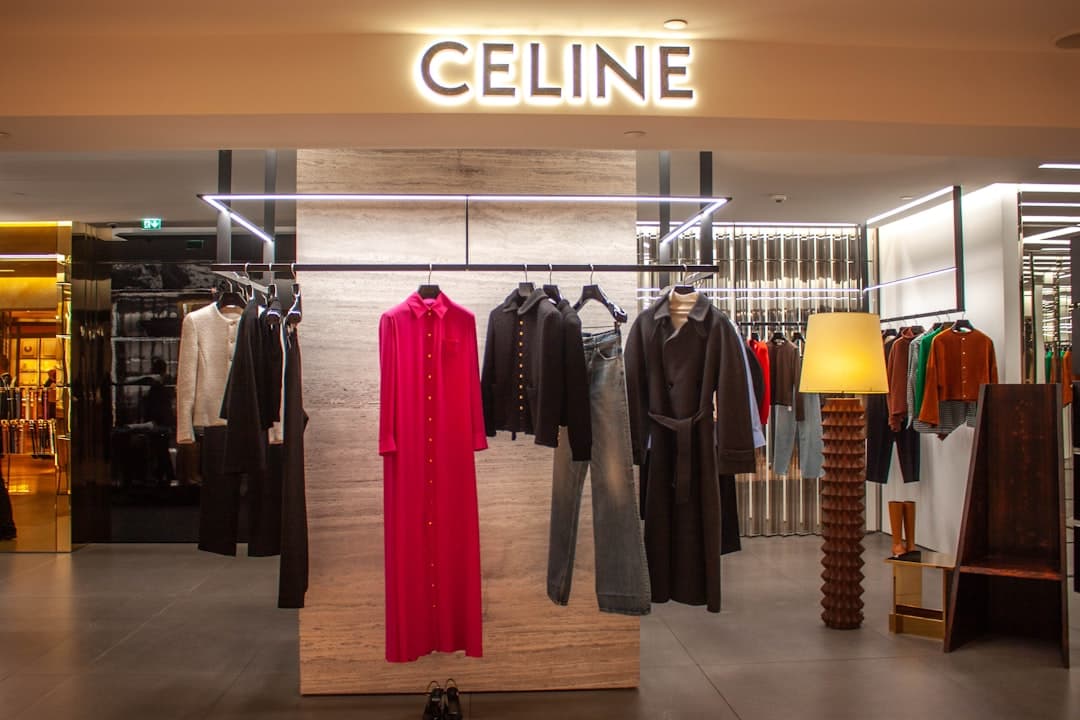
A key characteristic of the US luxury market is that consumers prioritize premium retail experiences as much as the products themselves. Luxury brands must therefore enhance customer satisfaction by providing differentiated shopping environments and personalized services. experiential retail is becoming a important trend, making it important to offer wellness, lifestyle, and purpose-driven luxury experiences.
Experiential Retail: A Key Trend in the Luxury Market
In 2026, luxury and fashion will continue to shift from product-centric to experience-driven engagement. Experiential retail aims to provide customers with unique and memorable experiences beyond simply purchasing goods. As wellness, lifestyle, and meaning become as important as the purchase itself, luxury brands must develop experiential content that aligns with their customers' lifestyles and values.
For example, limited-edition product launches, personalized services for VIP customers, exhibitions showing brand stories, and collaborations between art and fashion can all encourage customer engagement and brand loyalty. This experiential retail will play a vital role in maintaining market share globally.
Significance & Outlook for the 2026 Luxury Market
The luxury market is expected to rebound in 2026, recording a growth rate of 4-6.5%. The Chinese and American markets will play a important role in driving this growth, and experiential retail will solidify its position as a key market trend.
However, the luxury market is susceptible to various factors, including macroeconomic conditions, shifts in consumer sentiment, and increased competition. Therefore, luxury brands must remain sensitive to market changes and develop innovative products and services that meet the needs of their customers. In particular, brands should focus on conquering second-tier cities, innovating experiences, and increasing digital engagement in China, while prioritizing premium experience delivery to boost customer satisfaction in the US.
Ultimately, the 2026 luxury market will be one where brands that provide customers with special value and experiences—beyond simple product sales—will succeed. Luxury brands must understand these trends and proactively respond to change to achieve sustainable growth.