Sculptural Elements and Tactile Luxury: 2026 Design Evolution
Designer brands are redefining luxury fashion in 2026 with sculptural forms, premium textures, and refined details built on the foundation of quiet luxury.
Sculptural Elements and Tactility: The Evolution of Luxury Design in 2026
, we will explore into a thorough analysis of the key changes and characteristics of luxury design in 2026, and explore the initiatives of the brands leading the way.
Sculptural Forms
The most notable change in luxury fashion in 2026 will be the resurgence of architectural silhouettes and structural designs. Moving beyond simple draping or flowing shapes, we will see an increase in garments that embody three-dimensional, bold forms – akin to sculptural pieces. Designers will utilize rigorous pattern-making and innovative materials to imbue clothing with form, reinterpreting the wearer’s body with new proportions. Strong shoulder emphasis, reinterpretations of corset styles that cinch the waist, and abundant, voluminous shapes are representative elements of this trend. This transcends mere visual beauty, emphasizing the presence of the garment itself and delivering a powerful impression to the wearer. Inspired by avant-garde designs of the past, this sculptural approach will inject new vitality into luxury fashion.
Tactile Experience
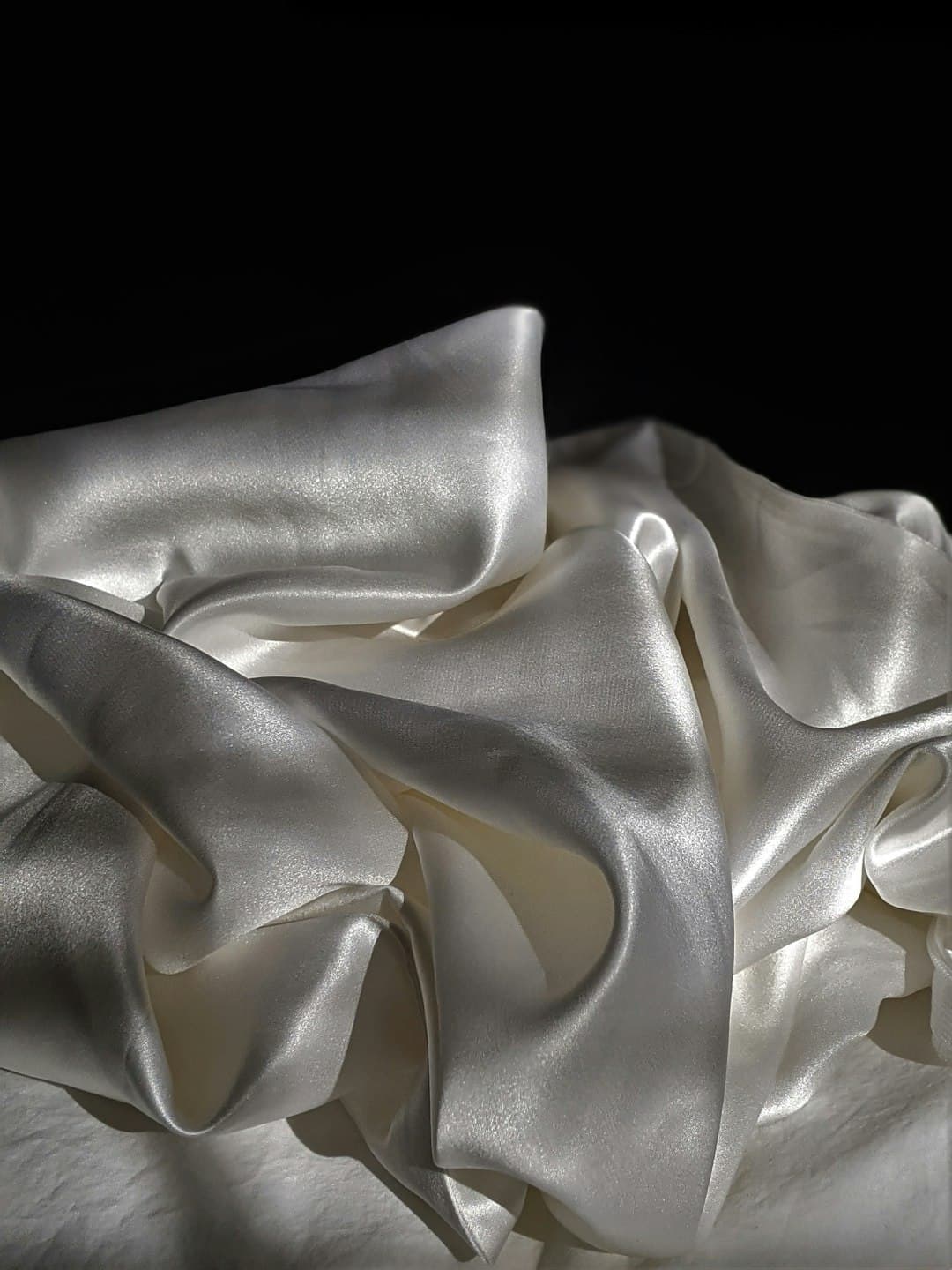
Beyond visual satisfaction, luxury fashion in 2026 will prioritize tactile experiences. While luxurious materials remain important, the focus will shift from simple material quality to maximizing the texture and feel of surfaces. In addition to traditional luxury materials like velvet, cashmere, and silk, materials that create new tactile values through unique weaves and processing methods will gain prominence. For example, 3D printing technology can be used to express three-dimensional patterns, or natural dyeing techniques can be employed to bring out natural colors and textures. For leather, it will be increasingly important to express diverse textures through various processes – such as embossing, suede, and enamel – rather than simply soft leather. These tactile elements will allow for a more profound appreciation of the garment's luxury and provide the wearer with a unique experience.
Refined Details
In 2026, luxury fashion will opt to express sophistication through subtle yet meticulously crafted details, rather than exaggerated ornamentation. Elaborate beadwork or excessive prints will give way to delicate embroidery, intricate lace, and handcrafted finishes – all important elements in enhancing the value of luxury garments. Particularly, details executed with the skilled hand of a seasoned artisan, even if not immediately visible, reveal the true value of luxury fashion. Paying careful attention to every small element, from buttons and zippers to stitching, and even the materials and colors of the garment lining, is paramount. These details emphasize understated elegance rather than overt extravagance, further illuminating the intrinsic value of luxury fashion.
Leading Brands and Collection Examples
Prada is expected to lead the luxury design trend in 2026 through a harmonious blend of structural silhouettes and premium materials. In particular, architectural coats and dresses will solidify Prada’s signature style. Balenciaga is also likely to present a collection that emphasizes sculptural beauty through unique patterns and materials. Dior will combine traditional haute couture techniques with contemporary design sensibilities, showing refined details and luxurious materials. Fendi will further develop its leather processing technology to focus on expressing unique textures and colors. Beyond these, many luxury brands, including Loewe, Bottega Veneta, and Saint Laurent, are expected to showcase designs that emphasize sculptural elements, tactile experiences, and refined details.
A New Definition of Luxury
Luxury design in 2026 will present a new level of sophistication by adding sculptural forms, tactile experiences, and refined details to the restrained elegance of Quiet Luxury. This reflects a shift driven by the increasing demand for clothing and accessories that possess the value of artwork, moving beyond simple consumption. Luxury is no longer merely a means of ostentatious consumption, but rather a tool for expressing individual personality and taste, and for enhancing quality of life. Luxury design in 2026 will reflect this transformation, presenting a new definition of luxury that delivers a special experience and emotional resonance to the wearer.