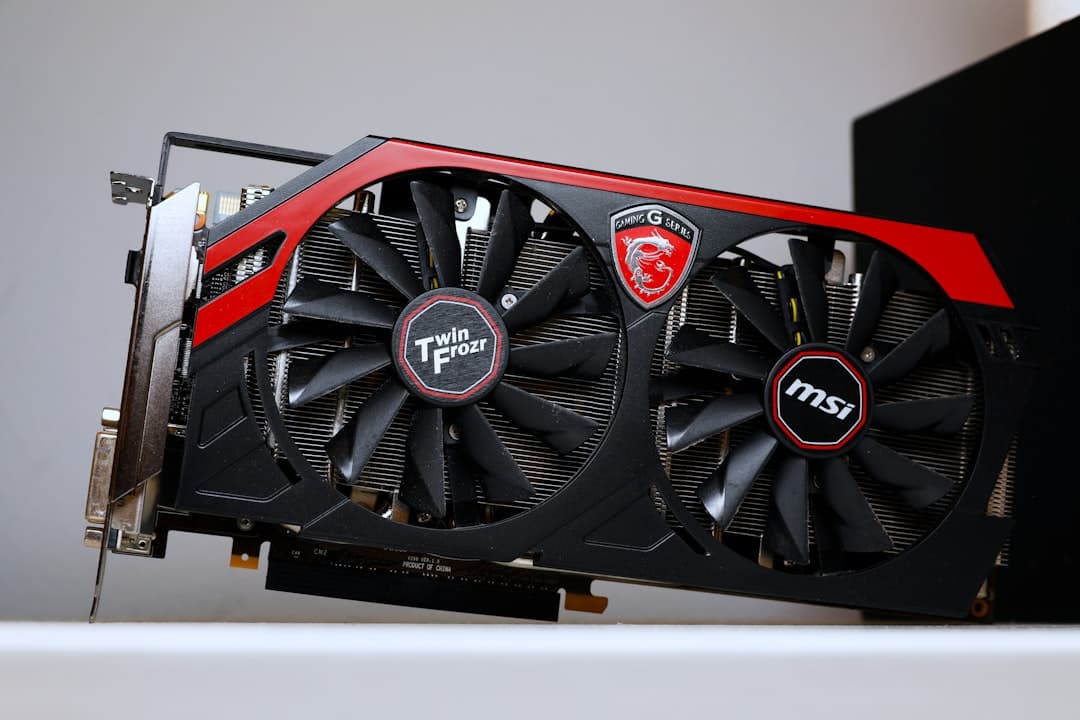
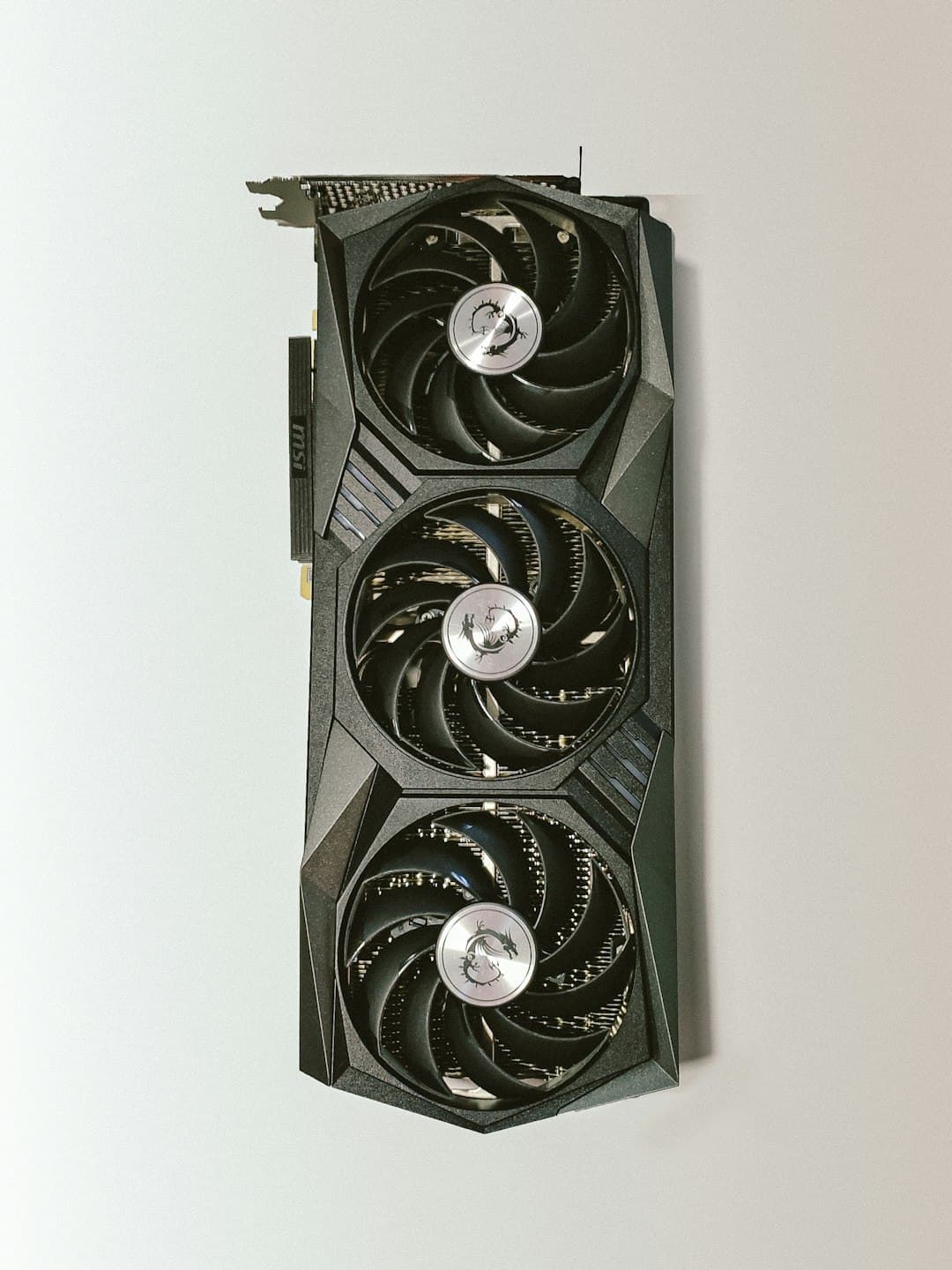
2026 Budget GPU Tier List - Best Value Graphics Cards
S to C tier ranking of the best budget GPUs in 2026. From AMD RX 7600 to Intel Arc B580 and RX 9070 XT, based on real fps/$ performance data.
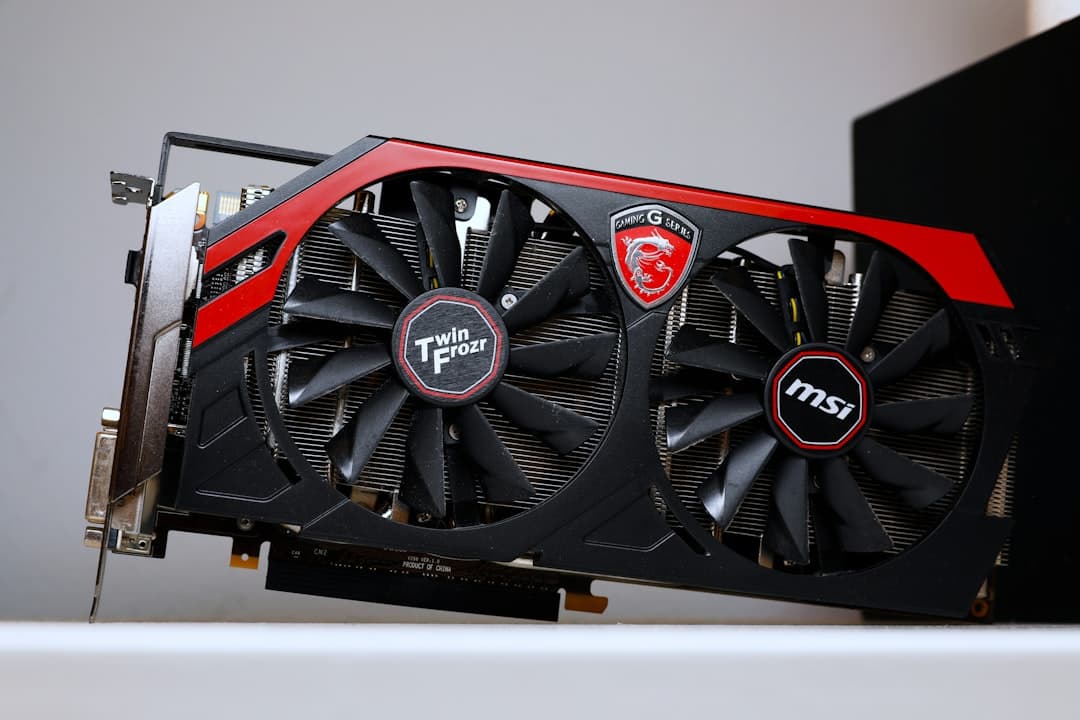
2026 Budget-Friendly GPU Tiers - The Best Graphics Cards for Your Budget
Hello, PC hardware enthusiasts! The GPU market has become even more competitive in 2026. With the emergence of new architectures and technologies, consumers can easily feel overwhelmed when choosing a graphics card. Especially, the word "value for money" is deeply ingrained in the minds of all gamers. Therefore, today we will analyze the GPUs that offer the best performance for your budget, divided into tiers from S to C. Honestly, choosing a graphics card isn't easy, but I hope this article helps ease your concerns a bit.
S Tier: Unmatched Value - RX 9070 XT
If you had to pick the king of value for money, it would undoubtedly be AMD's RX 9070 XT. It's arguably the best choice for 1440p gaming. Currently, the RX 9070 XT is being sold for under $600, and the performance it provides for that price is truly remarkable. Test results show that it consistently delivers over 100fps in the latest AAA game titles. Even leveraging frame generation technology like DLSS 3, you can experience even higher framerates. The RX 9070 XT's performance-to-price ratio is a whopping 170fps/$, which is hard to find at this level. It’s also a big advantage that it is built on the RDNA 4 architecture, making it exceptionally efficient. The ASUS Prime RX 9070 XT model is particularly well-received. Anyway, it will be the best choice for gamers who want high framerates at 1440p resolution and have a limited budget.
[IMAGE: RX 9070 XT | amd.com/ko]
A Tier: Excellent Value - Arc B580 & RX 9060 XT
Tier A includes GPUs that still offer excellent value for money, though not as overwhelming as the RX 9070 XT. Firstly, Intel's Arc B580 has gained considerable popularity after its price was fixed at $250. Honestly, I didn't expect Intel to release a GPU with this much performance for that price. The Arc B580 can run most games at 60fps or higher in 1080p resolution, and some titles can even reach 144fps. The performance-to-price ratio is about 120fps/$, making it a very good choice for entry-level users.
[IMAGE: Arc B580 | intel.com]
The RX 9060 XT also has excellent value. This product offers slightly lower performance than the RX 9070 XT, but it's significantly cheaper. The RX 9060 XT maintains over 80fps at 1080p resolution, and can be enjoyed at a reasonable level with moderate options at 1440p resolution. The RX 9060 XT’s performance-to-price ratio is about 100fps/$, making it a balanced choice between the Arc B580 and the RX 9070 XT.
[IMAGE: RX 9060 XT | amd.com/ko]
B Tier: Decent Value - RX 7600
Tier B includes GPUs that lower the barrier to entry for 1080p gaming. AMD's RX 7600 is being sold for under $300 and delivers an average performance of around 50-60fps at 1080p resolution. Of course, it may be insufficient to enjoy the latest AAA games at the highest settings, but you can get a satisfying experience by lowering the settings a bit. The RX 7600’s performance-to-price ratio is about 80fps/$, making it suitable for gamers with even more limited budgets. By the way, this level of performance is great for enjoying esports titles or indie games.
[IMAGE: RX 7600 | amd.com/ko]
C Tier: Entry-Level – Low-End Models (Expected)
Tier C includes low-end models under $200. It’s expected that even more affordable and entry-level GPUs will appear in 2026. However, performance may drop below 30fps, and compromises in settings will be essential. These GPUs are mainly suitable for enjoying light games or online games, or for beginners who are new to PCs. The performance-to-price ratio for C Tier GPUs is about 50fps/$, focusing on price rather than performance.
[IMAGE: Placeholder - Low-end GPU | placeholder.com] (This image should be replaced with a representative low-end GPU image.)
Of course, the GPU market can change at any time. Tiers can change depending on various factors such as the release of new products, price fluctuations, and technological advancements. Therefore, it's important for you to constantly monitor market trends and choose a GPU that suits you. And choosing a graphics card shouldn't just consider performance. You need to consider various factors such as power supply capacity, case size, and compatibility with the CPU to build the optimal environment.
Ultimately, graphics card selection depends on individual needs and budgets. I hope this article has helped you make a more reasonable decision.