2026 GPU Tier List - RTX 50 Series vs AMD RX 9000 Performance Comparison
Comparing RTX 5090, 5080, and AMD RX 9070 XT benchmarks. Analyzing 4K gaming, ray tracing, DLSS 4 vs FSR 4 performance in S-C tier rankings.
2026 GPU Tier List - RTX 50 Series vs AMD RX 9000 Performance Comparison
"2025 Q4, Game PC Market Share Change Rate –15.7%." Hard to believe, right? This shocking figure shows that the PC gaming market, which has seen rapid growth in recent years, is actually contracting. What’s the cause? It’s primarily the skyrocketing prices and stagnation in performance of graphics cards (GPUs), which are key components of gaming PCs. What GPU market will we face in 2026? We'll analyze the competitive space between Nvidia’s RTX 50 series and AMD’s RX 9000 series in depth and classify each GPU into tiers based on performance and value.
S Tier: The Pinnacle of Overwhelming Performance
Nvidia RTX 5090
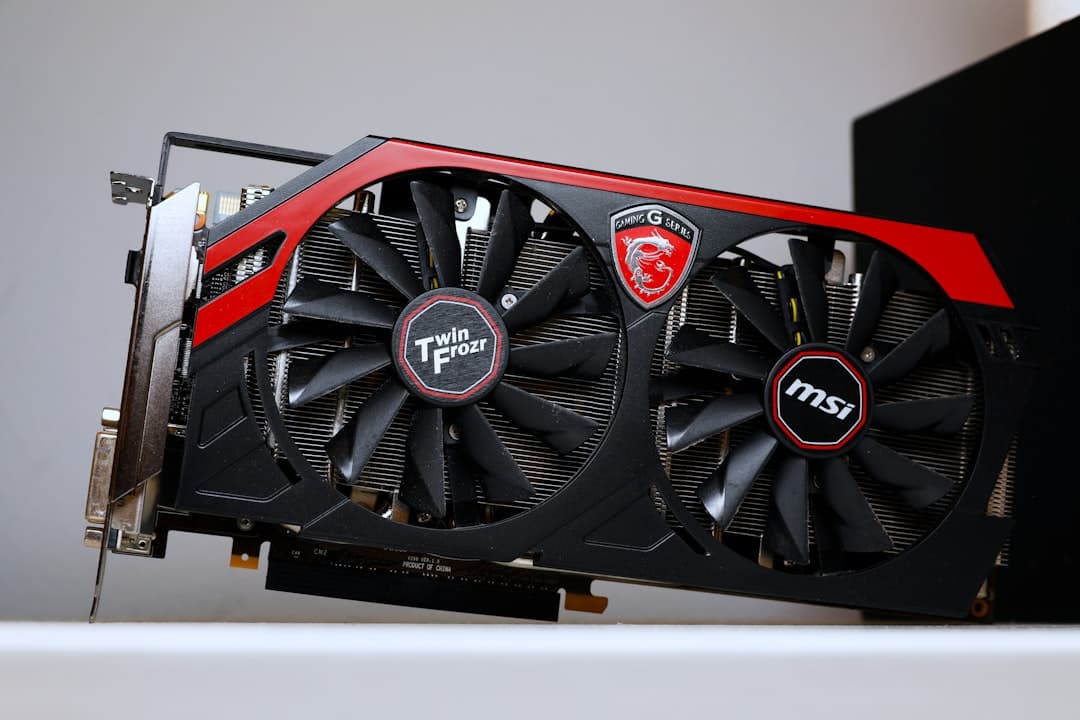
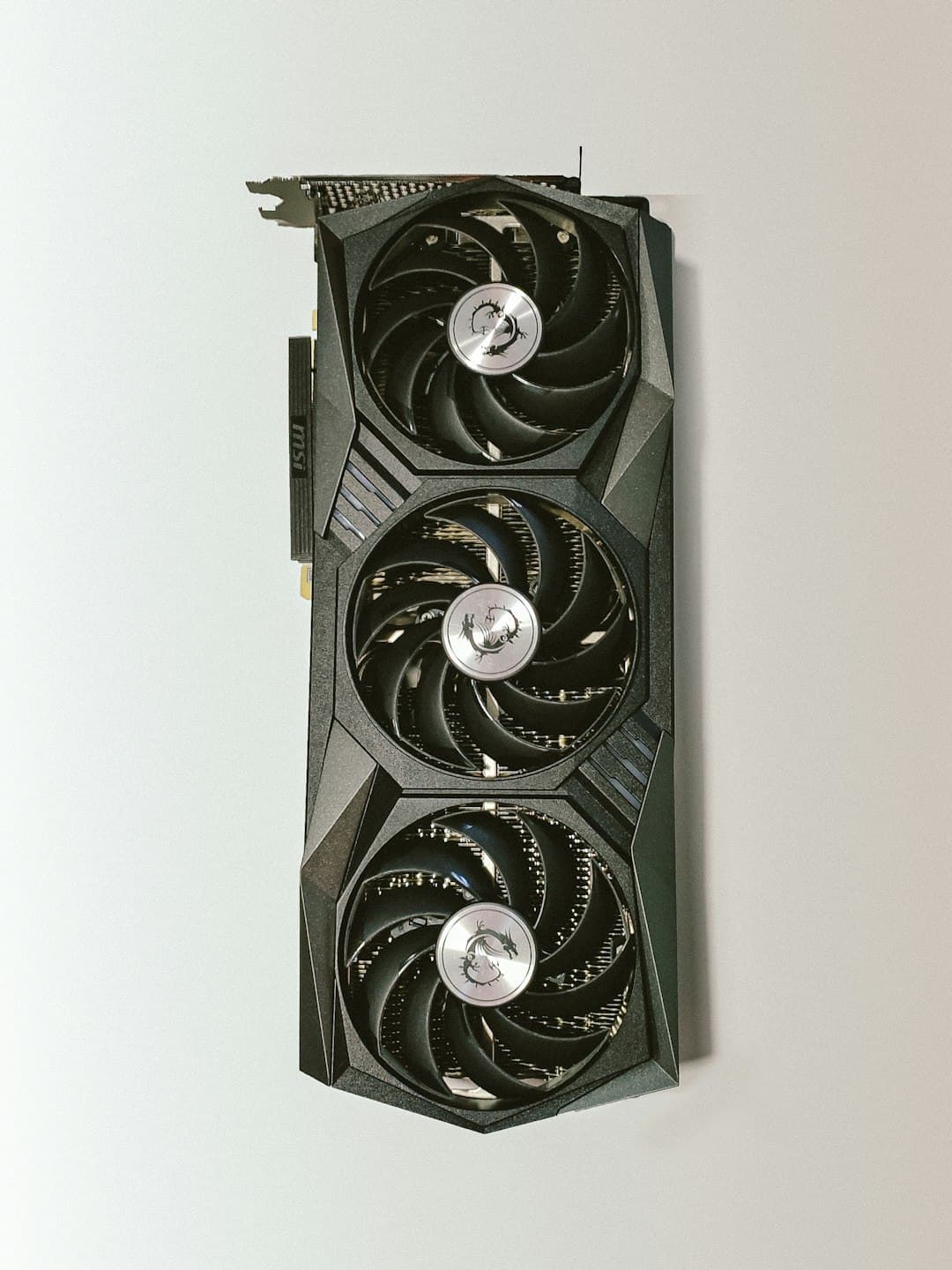
To be honest, it's difficult to express the RTX 5090 with just the word "best." It both maximizes ray tracing performance through DLSS 4. It's on a completely different level compared to AMD's competing FSR 4 technology. Anyway, it’s certainly capable of 8K gaming. You should, however, consider its significant heat management and power consumption. It's expected to be priced at over $2000. Suitable for hardcore gamers and video editing professionals who want to build a top-of-the-line PC and experience the ultimate graphics quality.
[IMAGE: RTX-5090 | https://www.nvidia.com/en-us/geforce/graphics-cards/50-series/]
AMD RX 9090
AMD’s top-tier model prepared to counter the powerful presence of the RTX 5090. Like the RTX 5090, it delivers overwhelming performance in 4K gaming, but there’s room for improvement in ray tracing performance. The performance of FSR 4, competing with DLSS 4, needs to be improved. It’s somewhat more power-efficient than the RTX 5090, but heat generation is still high. Expected to be priced around $1800. Targets a similar user base as the RTX 5090, but can be an attractive option for gamers who aren’t overly concerned with ray tracing performance.
[IMAGE: RX-9090 | https://www.amd.com/ko/graphics]
A Tier: High Performance, Reasonable Choice
Nvidia RTX 5080
While not as powerful as the RTX 5090, it still delivers strong performance for 4K gaming. It leverages DLSS 4 technology to enhance ray tracing performance. It has the advantage of offering better value for money compared to the RTX 5090, but it does have the downside of relatively high power consumption. Expected to be sold for around $1200. Suitable for general gamers looking to build a 4K gaming environment.
[IMAGE: RTX-5080 | https://www.nvidia.com/en-us/geforce/graphics-cards/50-series/]
AMD RX 9070 XT
A competing model to the RTX 5080, striving to improve ray tracing performance through FSR 4 technology. The RX 9070 XT is expected to be released at a slightly lower price than the RTX 5080, but the overall performance is slightly lower. However, its relatively good power efficiency is a positive point. Expected price is around $900. Suitable for intermediate users who enjoy high refresh rate gaming at 1440p resolution or aim for 4K gaming.
[IMAGE: RX-9070-XT | https://www.amd.com/ko/graphics]
Nvidia RTX 5070
A product aimed at solidifying its position between the RTX 5080 and RX 9070 XT. It provides a smooth gaming environment at 1440p resolution and can enhance ray tracing performance through DLSS 4 technology. Anyway, the expected price is around $700. Suitable for gamers who enjoy gaming at 1440p resolution or have a limited budget.
[IMAGE: RTX-5070 | https://www.nvidia.com/en-us/geforce/graphics-cards/50-series/]
B Tier: Mid-Range, Excellent Value
B tier is suitable for users who want to enjoy high refresh rate gaming at 1080p resolution or play games at medium settings at 1440p resolution. GPUs in this tier offer excellent value for money and provide sufficient performance to enjoy a variety of games. Includes models like the RTX 4070 and RX 6800.
C Tier: Entry-Level/Budget GPUs
C tier is suitable for users who want to play games at low settings at 1080p resolution or use them for simple tasks. GPUs in this tier are inexpensive, but their performance is limited. Includes models like the GTX 1660 Super and RX 6500 XT.
The GPU market in 2026 is expected to become even more intense due to the competition between the RTX 50 series and the RX 9000 series. Nvidia will strengthen ray tracing performance through DLSS 4 technology, and AMD will try to enhance its competitiveness by improving the performance of FSR 4 technology. However, stabilizing GPU prices remains an important challenge, and prices may fluctuate depending on market conditions. Whatever GPU you choose, it’s important to carefully select a product that suits your budget and usage purpose. The graphics card market is constantly changing, so stay tuned for new information and make wise choices.