2026 Smartphone Camera Tier List - DXOMark Tested
From Huawei Pura 80 Ultra to iPhone 17 Pro, we ranked 2026 smartphone cameras in S~C tiers based on DXOMark scores. Objective comparison of sensor size, zoom performance, and video capabilities.
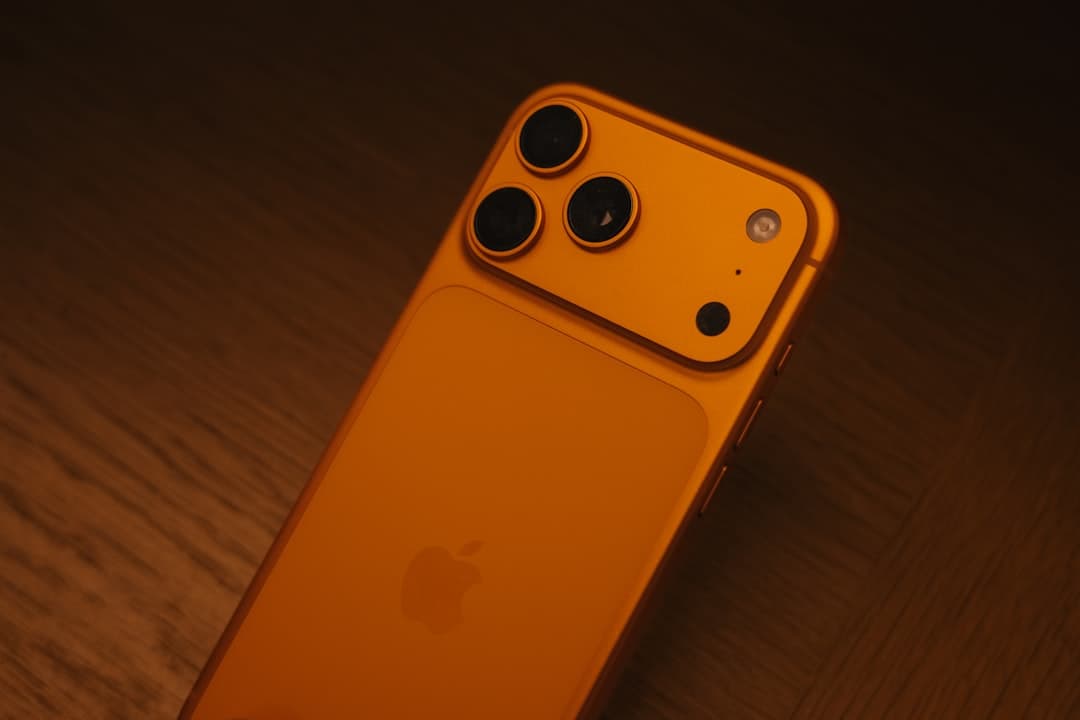
The camera phone war continues in 2026. As Huawei, Vivo, Apple, and OPPO rise with 175+ point super camera phones, Xiaomi and Samsung are pushing back with zoom performance. Here's a breakdown of 2026 smartphones, categorized by tier, based on DXOMark benchmark scores.
S Tier - The Camera Phone Powerhouses
DXOMark score of 165 or higher. These are beasts equipped with both a 1-inch sensor and a periscope zoom.
Huawei Pura 80 Ultra - 175 points
Currently holds the highest score as of 2026. Features a 1-inch sensor and a variable aperture (f/1.4-f/4.0). It excels in still shots with a photo score of 185, surpassing its video performance. Reviews suggest it produces DSLR-like results in low-light conditions.
However, it’s difficult to purchase outside of China and lacks Google services, which is a significant drawback. While it’s number one in terms of camera specs, real-world usability is lacking.
Vivo X300 Pro - 171 points
Features a Sony LYT-900 sensor and ZEISS optical coating. Achieved a higher zoom score than Huawei. The 200mm periscope telephoto allows for detailed shots of distant subjects.
Vivo's V3 imaging chip provides real-time AI noise reduction, resulting in clean night videos. It has the best global distribution among Chinese brands, making it relatively accessible.
OPPO Find X8 Ultra / Apple iPhone 17 Pro - 168 points
Tied for third place. OPPO benefits from its Hasselblad collaboration for lively colors, while the iPhone excels in video stabilization and Dolby Vision HDR recording.
OPPO’s 200MP zoom camera allows for usable results even when zooming in from a distance. In contrast, the iPhone offers extensive post-processing possibilities with ProRAW and ProRes support. If you’re a YouTuber or vlogger, go with the iPhone; if you’re after an Instagram aesthetic, OPPO might be a better choice.
A Tier - Flagship Level
DXOMark score of 155-164. Camera performance that most people will be satisfied with.
Motorola Signature - 164 points
Motorola surprisingly jumps to 6th place. Ranking 6th globally, beating out Pixel and Samsung, is quite remarkable. The Leica optics and Snapdragon 8 Gen 3 ISP combination really paid off.
It's also relatively affordable for a flagship, making it the best value within the A tier.
Google Pixel 10 Pro XL - 8th place
Google's AI processing remains powerful. It automatically corrects the sky and enhances skin tones, which is convenient. However, the hardware specs are inferior to Huawei or Vivo. The sensor size is 1/1.31 inches, smaller than the 1-inch grade.
Still, features like Night Sight and Magic Eraser remain unmatched. If you’re going to take photos and immediately post them to social media, the Pixel is the most convenient option.
Xiaomi 17 Ultra
The DXOMark score hasn’t been officially released yet, but testing took place in February. Equipped with a 1-inch Sony IMX989 sensor and Leica Summilux lens. Expected score is in the 165-170 range, making entry into the S tier a possibility.
Zoom performance is particularly impressive, covering all focal lengths with a dual telephoto (50mm, 120mm). Global release is confirmed, so it's worth keeping an eye on if you want a flagship camera phone at a reasonable price.
B Tier - Solid Camera Performance
DXOMark score of 140-154. Sufficient for typical users.
Samsung Galaxy S25 Ultra
Samsung is falling behind in DXOMark scores. It features a 200MP main sensor, but low-light performance is reportedly inferior to Huawei or Vivo. However, 100x Space Zoom and the Expert RAW app's manual controls remain advantages.
While it’s in the B tier when looking at just the camera, the overall satisfaction is high when considering the S Pen, DeX, and Galaxy AI ecosystem.
OnePlus 13 Pro
Third-generation Hasselblad collaboration. Based on the same ColorOS as OPPO, so the post-processing algorithms are similar. It costs about 200,000 won less than the Galaxy, but the camera performance is comparable, earning it a reputation for good value.
C Tier - Entry-Level/Budget
DXOMark score not measured or below 140.
iPhone 17 / Galaxy S25
Base models have smaller sensors and lack a telephoto lens. However, they still take decent everyday snapshots. The DXOMark score is unavailable, but it’s estimated to be in the low 140s.
Pixel 10a
Even in a budget model, Google’s AI processing is included. The hardware is weaker, but it’s compensated for with software. It offers high value for the price.
2026 Camera Phone Buying Guide
If you're struggling to decide which camera phone to buy:
Shooting YouTube/vlogs → iPhone 17 Pro (Best video stabilization) Prioritizing Instagram aesthetic → OPPO Find X8 Ultra or Vivo X300 Pro Zoom performance is key → Xiaomi 17 Ultra or Vivo X300 Pro Want convenient AI processing → Pixel 10 Pro XL Looking for value → Motorola Signature
Chinese camera phone brands dominate the 2026 DXOMark rankings. Huawei, Vivo, and OPPO have pushed Apple and Samsung with 1-inch sensors. However, Apple is differentiating itself with video and its ecosystem, while Samsung is focusing on the S Pen and Galaxy AI. You should consider more than just the camera – evaluate the overall package.