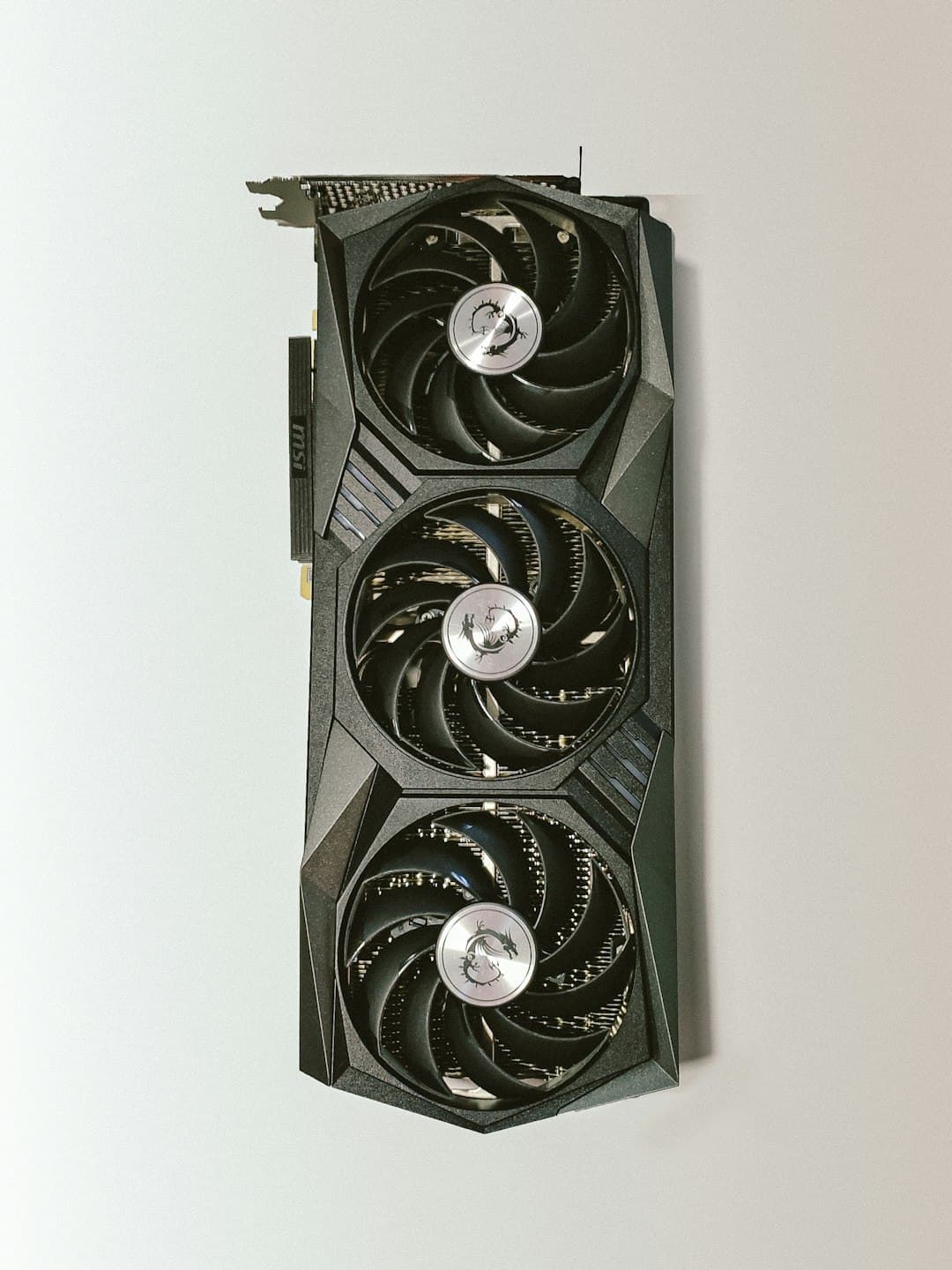
PCIe Gen5 SSD Tier List 2026 - Read/Write Speed Benchmark
PCIe Gen5 NVMe SSDs ranked from S to C tier in 2026. Compare Samsung 9100 Pro, WD Black SN8100, and more by sequential read/write speeds, IOPS, and price/TB. Gen4 vs Gen5 real-world performance analysis.
PCIe Gen5 SSD Tier List 2026 - Read/Write Speed Benchmarks
, we will analyze PCIe Gen5 SSDs as of 2026 based on performance and price, dividing them into four tiers, and examine the differences from Gen4 SSDs to help you make a reasonable choice.
S Tier: The Pinnacle of Overwhelming Performance (High-End Users)
This tier includes the fastest and most expensive PCIe Gen5 SSDs currently on the market. These products aim to provide the highest efficiency in data-intensive professional work environments, going beyond simply being 'fast.'
Samsung 9100 Pro: This product has both excellent performance stability. It consistently exceeds a read speed of 14,000MB/s in various tests, and write speeds also demonstrate records exceeding 12,000MB/s. IOPS are also at a very high level, making it suitable for high-performance gaming and 8K video editing. However, it has the disadvantage of a high price. [IMAGE: Samsung 9100 Pro | https://www.samsung.com/us/computing/memory/solid-state-drives/9100-pro-nvme-ssd-1tb-phb211/]
Western Digital (WD) Black SN8100: Previously considered the fastest SSD, it is now classified as S tier due to the emergence of some Gen5 SSDs. It still offers excellent read/write speeds and IOPS, and performs particularly well in consumer-level environments. The advantage is maintaining stable performance in real-world usage. However, there is a slight performance difference compared to the top-tier models. [IMAGE: WD Black SN8100 | https://www.westerndigital.com/products/internal-drives/wd-black-sn8100-nvme-ssd]
A Tier: Excellent Performance and Reasonable Price (High-Performance Users)
Tier A features products that are less expensive than the S tier yet still offer excellent performance. They are suitable for general high-specification gaming and content creation environments, and are ideal for users who want high performance at a slightly lower price than the top tier.
Products in this tier can be an attractive option for users who want to maximize the benefits of PCIe Gen5 SSDs while reducing price burden. Read/write speeds are in the range of 8,000MB/s to 12,000MB/s, and IOPS also demonstrate respectable performance.
- Specific models in this tier may vary depending on market conditions.
B Tier: Decent Performance, Practical Choice (General Users)
Tier B is suitable for general users who want to experience the latest PCIe Gen5 technology but are hesitant due to the price. Products in this tier offer read/write speeds in the range of 5,000MB/s to 8,000MB/s, providing faster boot times and improved performance in general work environments.
In particular, you will likely feel a noticeable performance improvement when upgrading from a Gen4 SSD. However, there is a performance difference compared to the top tier, and it may be somewhat lacking for high-performance tasks. It is suitable for users for whom cost-performance is important.
- This tier may also see SSD models added or changed depending on market conditions.
C Tier: Entry-Level, Gen5 Technology Experience (Beginner Users)
Tier C is suitable for users who are new to PCIe Gen5 SSDs or have a limited budget. This tier provides a minimum level of performance to experience Gen5 technology, with read/write speeds in the range of 3,000MB/s to 5,000MB/s.
While it provides a slight performance improvement over Gen4 SSDs, the difference may not be significant. However, it can be considered an investment to build a Gen5 platform or prepare for the future. Gen4 SSDs may be a better choice for beginners, but if you want to gain experience with Gen5 technology, you can consider products in Tier C.
- This tier may also see SSD models added or changed depending on market conditions, and may exhibit performance similar to Gen4 SSDs.
Gen4 vs Gen5: What's the Real-World Performance Difference?
PCIe Gen5 SSDs theoretically offer much faster speeds than Gen4 SSDs, but the actual difference in real-world usage may not be as great as expected. This is because it is affected by various factors such as system configuration, game engine, and file system.
In a typical gaming environment, it may be difficult to feel the performance improvement of a Gen5 SSD. However, in tasks such as 8K video editing that continuously read and write large files, the fast speed of a Gen5 SSD can be felt. Also, boot-up speed of the operating system and program loading speed can also be slightly faster when using a Gen5 SSD.
Anyway, Gen5 SSDs cannot be evaluated solely on speed, and it is important to choose a tier of product that is appropriate for your usage environment and purpose.
Disclaimer: This article is for informational purposes only and does not constitute investment advice. Investment decisions should be made based on your own judgment and responsibility.