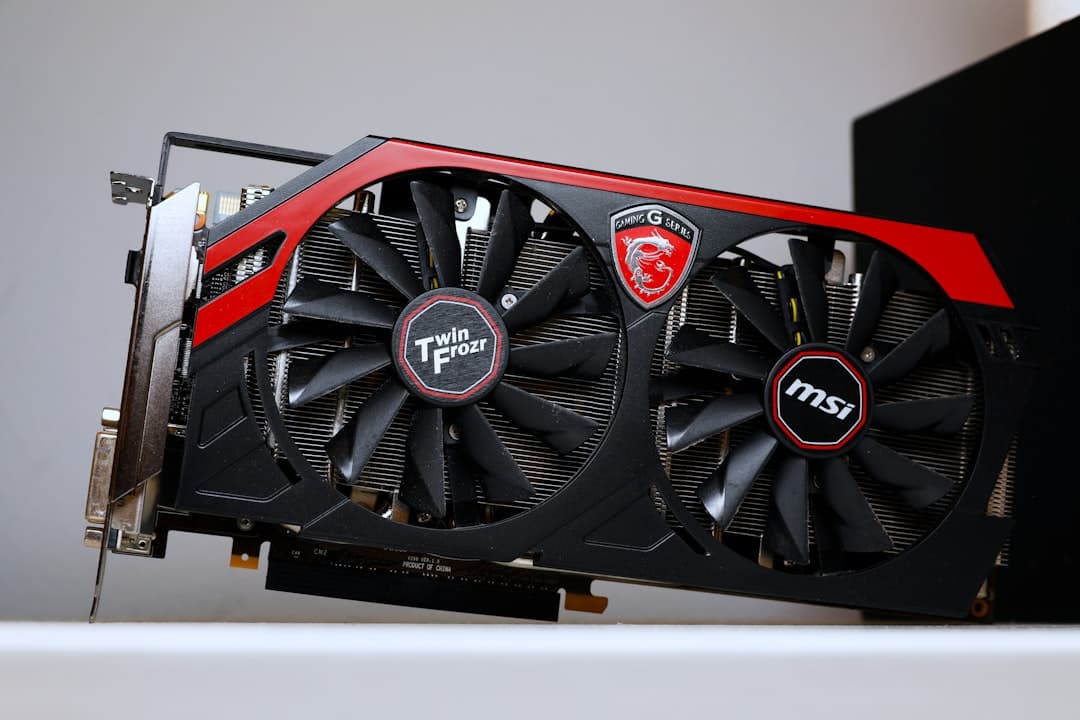
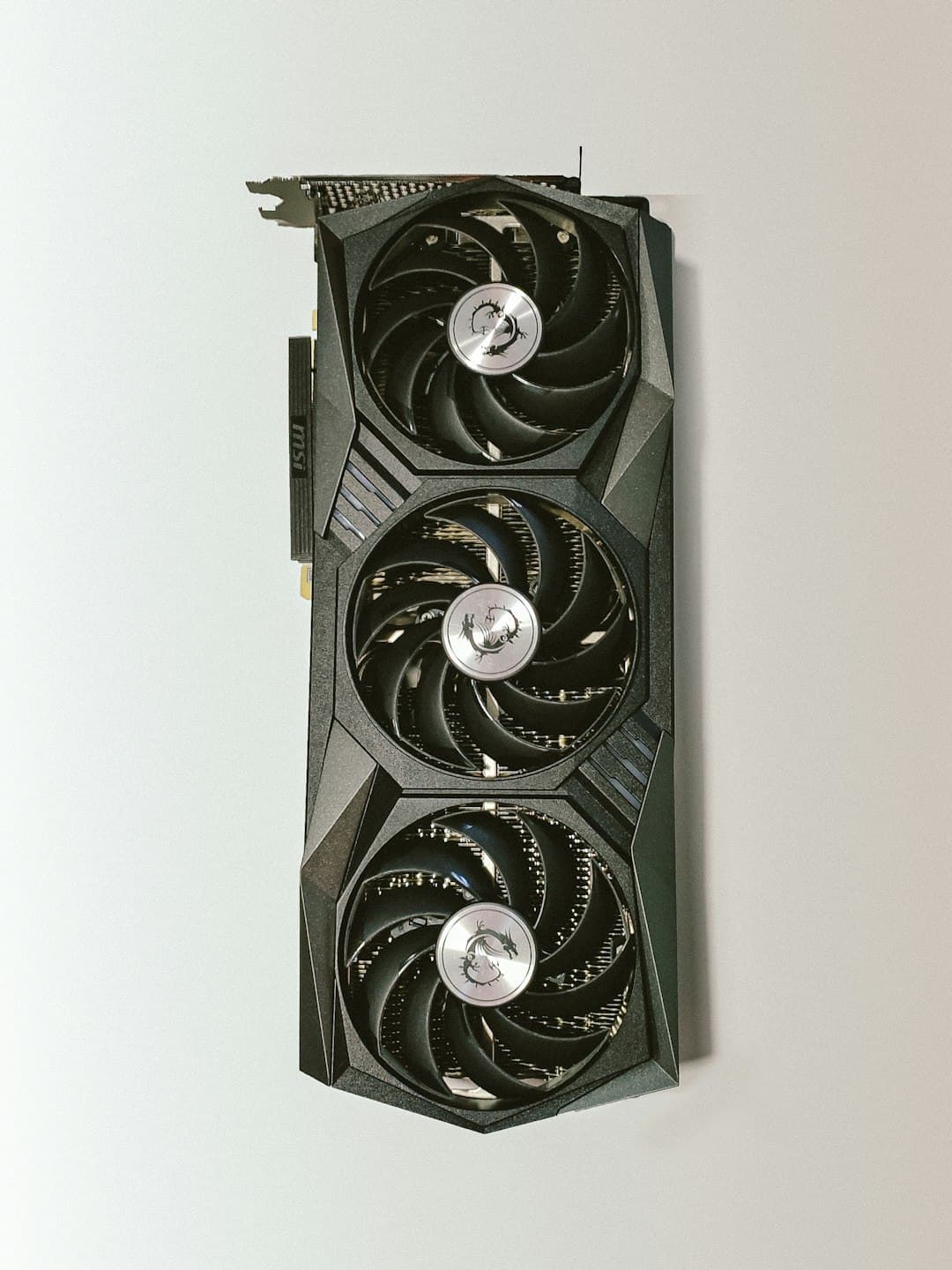
RTX 5090 vs RX 9070 XT Real Gaming Benchmarks - The Results Were Surprising
MSI RTX 5090 tops the charts, but AMD RX 9070 XT delivers RTX 5070 Ti performance for far less. Price increases pushed RTX 50-series one tier higher than original MSRP.
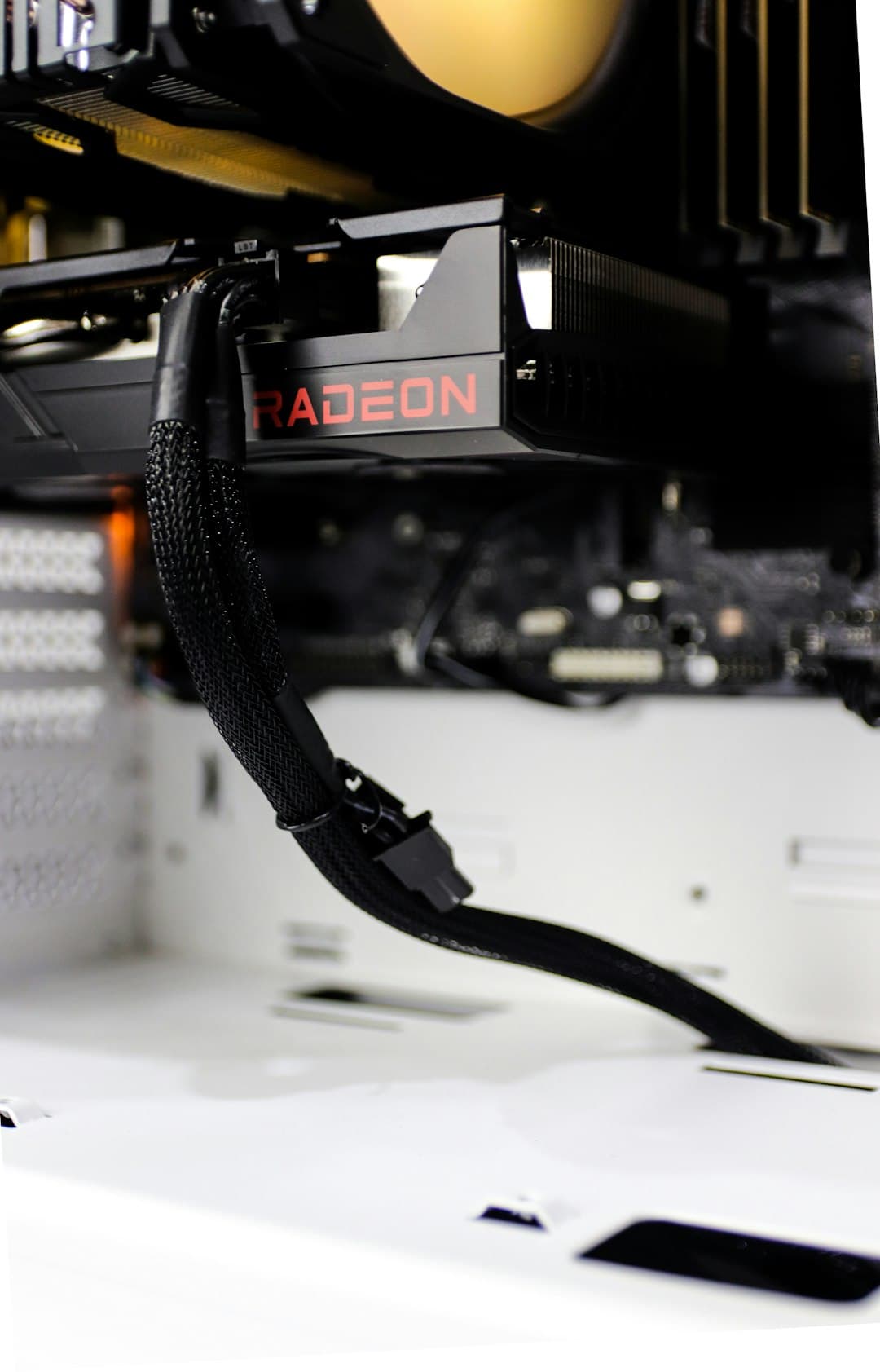
2026 GPU Tier Ranking: RTX 50 vs. Radeon RX 9000 Series
The graphics card space shifted significantly in 2026. It's genuinely interesting to see how the rivalry between Nvidia's RTX 50 series and AMD's Radeon RX 9000 series has evolved. We've been sifting through performance data, crunching numbers from various benchmarks, and examining price points to bring you a tier list. This isn't just about raw power; it's about what you get for your money. Forget the hype – let's get into it.
S Tier: The Unstoppable Titans (RTX 5090 & Beyond)
At the absolute peak sits the Nvidia RTX 5090. Across numerous tests, spanning resolutions from 1080p to a demanding 4K, it consistently dominates. It's not just slightly better – the performance leap compared to the previous generation is significant. You're paying a premium, obviously, but if you're chasing the highest frame rates with ray tracing enabled, and have a monitor to match (think a high refresh rate 4K panel), there's really no competition. Interestingly, AMD's RX 9000 series doesn't quite reach this level, although some models get impressively close at specific resolutions. The RX 9000 XTX comes within striking distance in some scenarios, but generally can't maintain the consistent lead the RTX 5090 commands. Frankly, it's a substantial investment, but it's the benchmark for what's possible right now.
A Tier: High-Performance Champions (RTX 5080, RX 9070 XT & Similar)
Stepping down, we enter the A Tier, packed with GPUs that still deliver exceptional gaming experiences. The RTX 5080 continues Nvidia's dominance, offering a compelling blend of performance and price. It's still capable of pushing high frame rates at 1440p and 4K, making it a fantastic choice for enthusiasts. AMD's RX 9070 XT sits comfortably in this tier as well, closing the gap considerably compared to previous generations. One observation is that AMD cards in this tier tend to offer slightly more VRAM than their Nvidia counterparts. This can be advantageous in heavily modded games or with ultra-high resolution textures, where VRAM limitations can become a bottleneck. They also often provide better value per dollar, which is a definite consideration for budget-conscious gamers who still want a top-tier experience. The differences between the top contenders in this tier are often subtle and can depend heavily on the specific game and settings.
B Tier: Solid Mid-Range Options (RX 9060 XT, RTX 5060 & Others)
This is where things get interesting – the B Tier is a crowded battlefield. The Radeon RX 9060 XT shines here, offering a very competitive performance profile. It's a sweet spot for 1440p gaming, and even handles 1080p with ease. You can't expect ultra-high frame rates with ray tracing at max settings, but it provides a remarkably smooth experience for most games. The RTX 5060, while capable, struggles a bit to keep pace with the RX 9060 XT in terms of raw performance. However, Nvidia's cards still hold an advantage in ray tracing performance, although the RX 9000 series has made huge strides. It's a good option if ray tracing is a priority, but be prepared to tweak settings to maintain playable frame rates. We've also seen some Intel Arc cards – specifically the Arc A770 – finding a place here, though their inconsistent driver support occasionally holds them back.
C Tier: Entry-Level and Budget-Friendly (RTX 5050, Arc A750 & Below)
The C Tier caters to gamers on a tighter budget or those looking to upgrade from older systems. Cards like the RTX 5050 and the Arc A750 deliver a respectable 1080p gaming experience, but compromises are necessary. Don't expect to max out settings, particularly with ray tracing. These cards are more suited to esports titles or older games where graphical demands are less intense. Honestly, if you're aiming for a smooth 1440p experience, it's worth saving up a bit more to jump up a tier. There are numerous cards in this space, and the price/performance ratio varies significantly. The technical.city rankings, averaging results from desktop, notebook, and workstation GPUs, highlight just how diverse this segment is.
Beyond Performance: Ray Tracing and Value
Beyond raw frame rates, ray tracing has become a significant differentiator. Nvidia's RTX 50 series, as expected, holds a clear advantage in this area. AMD has closed the gap considerably with their RX 9000 series, but Nvidia's dedicated ray tracing cores still provide a noticeable boost in performance. value isn't solely about price; it's about the performance you get per dollar spent. The RX 9000 series cards often offer a better price/performance ratio compared to their Nvidia counterparts, especially in the mid-range. Ofzen and Computing's testing of over 50 models clearly illustrates this point – AMD often provides exceptional bang for your buck.
Disclaimer: This article is for informational purposes only and does not constitute investment advice. Investment decisions should be made based on your own judgment and responsibility.