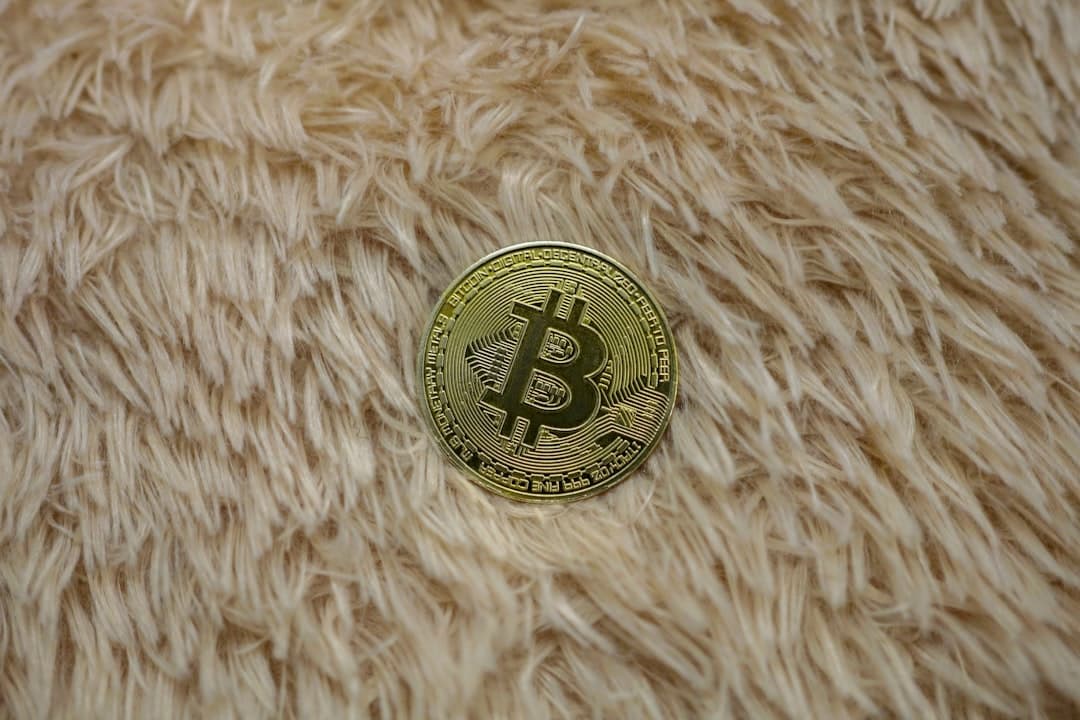
2026 Cryptocurrency Market Ranking - Bitcoin vs Ethereum vs Altcoins
The ultimate 2026 crypto tier ranking based on institutional demand, ETF flows, and real utility. Bitcoin targeting $110K, Ethereum eyeing $10K-12K, and the altcoin landscape ranked S to D.
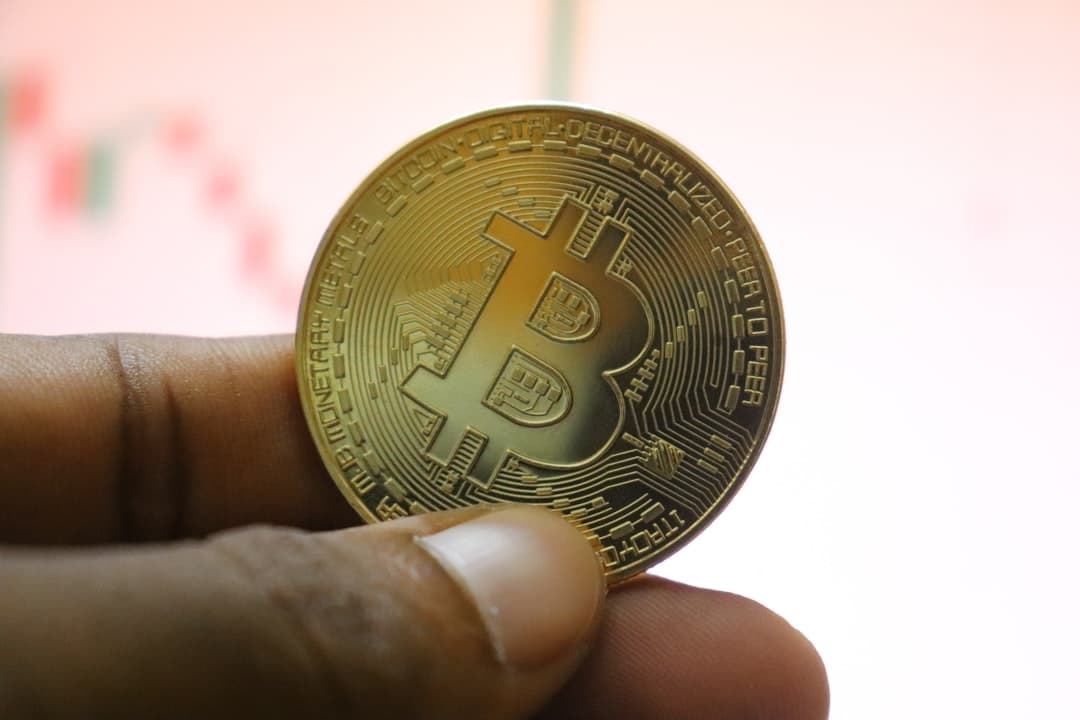
Navigating the Crypto space: A 2026 Tier Ranking
The cryptocurrency market has been through a lot. From euphoric highs to brutal corrections, the past couple of years have tested the resolve of even the most seasoned investors. Predicting the future is always a fool’s errand, but considering current trends, regulatory shifts, and technological developments, we can construct a reasonable tier ranking for the crypto market heading into 2026. This isn't a guaranteed roadmap to riches; it’s a reasoned assessment based on available data and expert projections.
Tier S: The Unshakable Pillars – Bitcoin and Ethereum
Let's start with the obvious: Bitcoin. [IMAGE: Bitcoin | bitcoin.org] It remains the undisputed king, and for good reason. The network effect is powerful. Bitcoin’s first-mover advantage, combined with its perceived status as a digital store of value, keeps it dominant. While the volatility hasn’t disappeared entirely, its integration into mainstream finance through ETFs is a game-changer. These ETFs, funneling institutional and retail investment, provide a persistent tailwind. The base case for Bitcoin in 2026, according to some analysts, floats around $85,000. However, a bull case scenario, fueled by continued ETF inflows and post-halving effects, could push it closer to $150,000. this prediction hinges on Bitcoin's volatility ratio narrowing, compared to gold’s significantly larger market capitalization.
Ethereum, the second-largest cryptocurrency by market capitalization, occupies a similar, albeit slightly more nuanced, position. [IMAGE: Ethereum | ethereum.org] It’s not just a payment network; it's a platform for decentralized applications (dApps), NFTs, and a rapidly evolving ecosystem. Ethereum's scaling solutions, particularly Layer 2 technology, are important to its future success. The market anticipates Ethereum trading between $7,000 and $9,000 in early 2026, driven by tokenization initiatives and institutional appetite for stablecoin settlement layers. More optimistically, some foresee a potential $20,000 price tag by the year's end. This optimism is partly fueled by the potential for Layer 1 throughput to increase tenfold by 2026. The regulatory environment, while still uncertain, seems to be becoming slightly more accommodating of Ethereum’s broader utility. The combination of technological advancements and increasing adoption makes it a relatively safe bet.
Tier A: Strong Contenders – XRP, BNB, Solana
Moving down a tier, we find a group of cryptocurrencies that possess significant potential but also carry more risk. XRP, for instance, has spent years embroiled in regulatory battles. [IMAGE: XRP | xrpl.org] The recent partial victory against the SEC has undeniably boosted its prospects. While a full regulatory victory remains uncertain, the positive resolution has breathed new life into the project. Its focus on cross-border payments and its potential to streamline international finance remain compelling. While the price will likely be impacted by ongoing legal proceedings, there’s a reasonable expectation of continued growth, although predicting a precise target is difficult.
Binance Coin (BNB) [IMAGE: BNB | binance.com] faces different challenges. Binance’s regulatory headwinds around the globe create uncertainty. Still, BNB’s utility within the Binance ecosystem (trading, staking, and reduced fees) provides a foundation of intrinsic value. The development of the BNB Chain and its focus on Web3 gaming and the Metaverse could drive adoption. The extent to which BNB can weather the storm of regulatory scrutiny will determine its performance.
Solana [IMAGE: Solana | solana.com] experienced a dramatic resurgence. Its fast transaction speeds and low fees make it attractive to developers and users. However, the network has also been plagued by outages and concerns about centralization. Successful maintenance of network stability and a commitment to decentralization are paramount. The strong performance observed in 2023, with Solana reaching new highs, indicates considerable underlying support. But it’s a higher-risk proposition than Bitcoin or Ethereum.
Tier B: Speculative Plays – Dogecoin, and Others
The lower tiers are populated by cryptocurrencies offering higher potential rewards alongside substantially higher risks. Dogecoin [IMAGE: Dogecoin | dogecoin.com] embodies this perfectly. Originally a meme coin, Dogecoin has seen periods of extraordinary popularity driven by social media hype. While it has a dedicated community, its underlying technology lacks the sophistication of established projects. Any significant rally would likely be fueled by sentiment rather than fundamental value. A reasonable, albeit speculative, outlook suggests Dogecoin will continue to exist, but substantial price appreciation will depend on sustained and unpredictable social media momentum.
Beyond Dogecoin, numerous altcoins compete for attention, each with its own unique promises and risks. Some may offer innovative solutions, others might be hyped-up schemes. Thorough research and a high tolerance for risk are important for navigating this tier. These coins often rely heavily on a single narrative or a concentrated community, making them vulnerable to shifts in market sentiment or project execution failures. The potential for 10x gains is certainly present, but so is the risk of total loss.
The Regulatory space: A Persistent Factor
Throughout this tier ranking, the regulatory space casts a long shadow. Governments worldwide are grappling with how to regulate cryptocurrencies, and the evolving nature of these regulations will have a significant impact on market performance. The SEC's actions, for example, can trigger volatility, while clearer regulations could potentially unlock further institutional investment. The European Union's MiCA framework, designed to create a unified regulatory approach across the EU, could provide a blueprint for other jurisdictions. As of now, this remains an unpredictable factor; however, continued proactive engagement from the crypto industry to address regulatory concerns could lead to a more predictable and supportive environment.
Institutional Adoption: More Than Just Hype
The increasing involvement of institutional investors is a key driver of the crypto market's growth. While retail interest can create bursts of speculative activity, institutional investment provides stability and long-term capital. The approval of Bitcoin ETFs in the US marked a significant milestone, paving the way for broader institutional participation. But, many institutions are not simply jumping on the bandwagon. They are carefully evaluating the technology, the underlying assets, and the regulatory environment. Ethereum, with its broader utility and developer ecosystem, could become an even more attractive target for institutional investment in the years ahead.
Staking and Yields: A New Dimension of Return
The rise of staking, which allows users to earn rewards for participating in the network's consensus mechanism, has added another layer of complexity to the crypto market. Ethereum’s transition to Proof-of-Stake (PoS) has made staking a mainstream option. Staking yields, currently stabilizing around 3-5%, are providing a source of passive income for crypto holders. However, staking also comes with risks, including the potential for slashing (loss of staked assets due to network violations) and impermanent loss (loss of value due to fluctuations in the price of the staked assets).
The 2026 crypto market space will be shaped by a complex interaction of technological innovation, regulatory developments, and macroeconomic factors. While predicting the future with certainty is impossible, a data-driven approach, combined with a healthy dose of skepticism, can help investors navigate the evolving crypto world. The sheer volume of coins and tokens makes thorough analysis challenging, and new technologies and protocols are constantly emerging.
What excites me most is observing how Layer 2 solutions evolve. Their ability to scale blockchain networks without sacrificing security and decentralization will be a deciding factor for many protocols in 2026. I wonder if we'll see a truly dominant L2 network emerge, or if we'll witness a fragmented space with different L2 solutions catering to specific niches. The implications for Ethereum’s dominance are also fascinating to consider.
Disclaimer: This article is for informational purposes only and does not constitute investment advice. Investment decisions should be made based on your own judgment and responsibility.