4K Gaming Monitor Tier List 2026 - OLED vs IPS LCD
Definitive 4K gaming monitor tier list for 2026. ASUS ROG Swift OLED, MSI MPG 321URX QD-OLED, Samsung Odyssey G8 ranked by refresh rate (240Hz), response time, panel technology, and price. S-tier to C-tier breakdown.
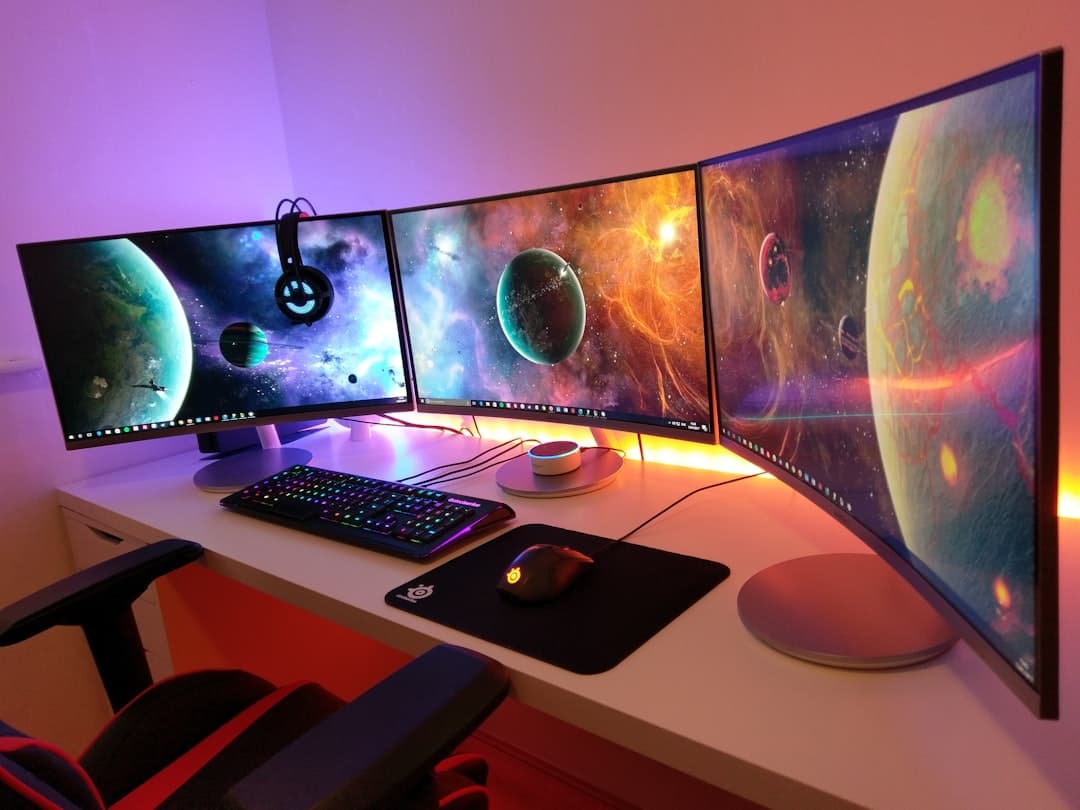
2026 4K Gaming Monitor Tier List: OLED vs IPS LCD, Who Wins?
In 2026, the gaming monitor market has become even more competitive. With a surge of models boasting 4K resolution and high refresh rates, many are struggling to decide which monitor to choose. Today, considering the current market situation, we'll analyze 4K gaming monitors based on OLED and IPS LCD technology, categorized by tier. We've considered not just performance, but also price-to-performance ratio, gaming experience, and potential for future technological advancements – so please review carefully and make an informed choice.
S Tier: Dominating Performance, Setting the Standard for Next-Gen Gaming
The S Tier is reserved for models exhibiting truly exceptional performance. These aren't just "good" – they completely transform the gaming experience. As of 2026, the model occupying this position is the ASUS ROG Swift OLED PG32UCDM. Featuring a 32-inch 4K resolution and a 240Hz refresh rate, this monitor utilizes a QD-OLED panel, boasting excellent color reproduction, stunning contrast, and fast response times. Notably, OLED’s ability to adjust pixel brightness delivers exceptional black levels, resulting in an immersive gaming experience. Response time is also at the 0.1ms (GTG) level, allowing for smooth screen transitions without ghosting.
[IMAGE: ASUS ROG Swift PG32UCDM | https://rog.asus.com/monitors/27-to-31-5-inches/rog-swift-oled-pg32ucdm/]
Of course, the price is a significant drawback, but we believe it's worth the investment to earn a spot in the S Tier. Honestly, if you prioritize gaming experience above all else, you should seriously consider this monitor. It will also provide excellent performance for enjoying high-quality videos.
A Tier: Excellent Performance, Still a Very Attractive Option
The A Tier is for models that have slight shortcomings compared to the S Tier, but still provide excellent performance. These models offer outstanding image quality and fast response times, and are more accessible in terms of price than the S Tier.
The MSI MPG 321URX QD-OLED is a representative model of the A Tier. Like the ASUS ROG Swift, it uses a QD-OLED panel, providing excellent color reproduction and contrast, but the refresh rate is limited to 165Hz instead of 240Hz. However, 165Hz is still a high refresh rate and won’t be a significant issue for most gamers.
[IMAGE: MSI MPG 321URX QD-OLED | https://www.msi.com/Monitor/MPG321URX]
In addition, the Samsung Odyssey G8 series also belongs to the A Tier. The G8 series is available in 28-inch and 32-inch models and provides a more immersive gaming experience through a curved display. While it uses an IPS LCD panel, it offers fast response times and a wide viewing angle, so there’s no discomfort during gameplay. However, the contrast ratio is slightly lacking compared to OLED, which is a point of regret.
B Tier: Balanced Value, For Those Seeking a Reasonable Choice
The B Tier is for gamers who prioritize value-for-money (performance-to-price ratio). Models in this tier offer 4K resolution and a decent refresh rate, and are relatively inexpensive. While these models may have slight shortcomings in image quality or response time compared to the S and A tiers, they are a good option if you want to experience gaming monitors at a reasonable price.
For example, 4K 144Hz IPS LCD monitors from various manufacturers are considered to belong to the B Tier. These monitors offer a wide viewing angle and excellent color reproduction, but don’t match the contrast ratio or fast response time of OLED. Nevertheless, if you also want to use them for purposes other than gaming, or if you’re heavily price-conscious, B Tier models are a good choice.
C Tier: Entry-Level, Waiting for the Next Generation
The C Tier is for entry-level 4K gaming monitor users. Models in this tier show shortcomings compared to models in other tiers in terms of image quality and response time, but can still provide a satisfactory experience for users starting out with 4K gaming.
This tier is mainly occupied by 60Hz 4K IPS LCD monitors. These monitors allow you to experience 4K resolution at a low price, but they may be a little lacking for high-refresh-rate gaming. Also, due to slow response times, ghosting may be visible. However, if your budget is limited, you can consider models in the C Tier. There’s a good chance that performance will improve with future technological advancements, so waiting for the next generation is also a good choice.
As you can see, the 4K gaming monitor market in 2026 offers a variety of choices thanks to the advancement of OLED technology. However, which monitor to choose ultimately depends on the user's personal preferences and budget. We hope this analysis has helped you in your monitor selection.
Disclaimer: This article is for informational purposes only and does not constitute investment advice. Investment decisions should be made based on your own judgment and responsibility.