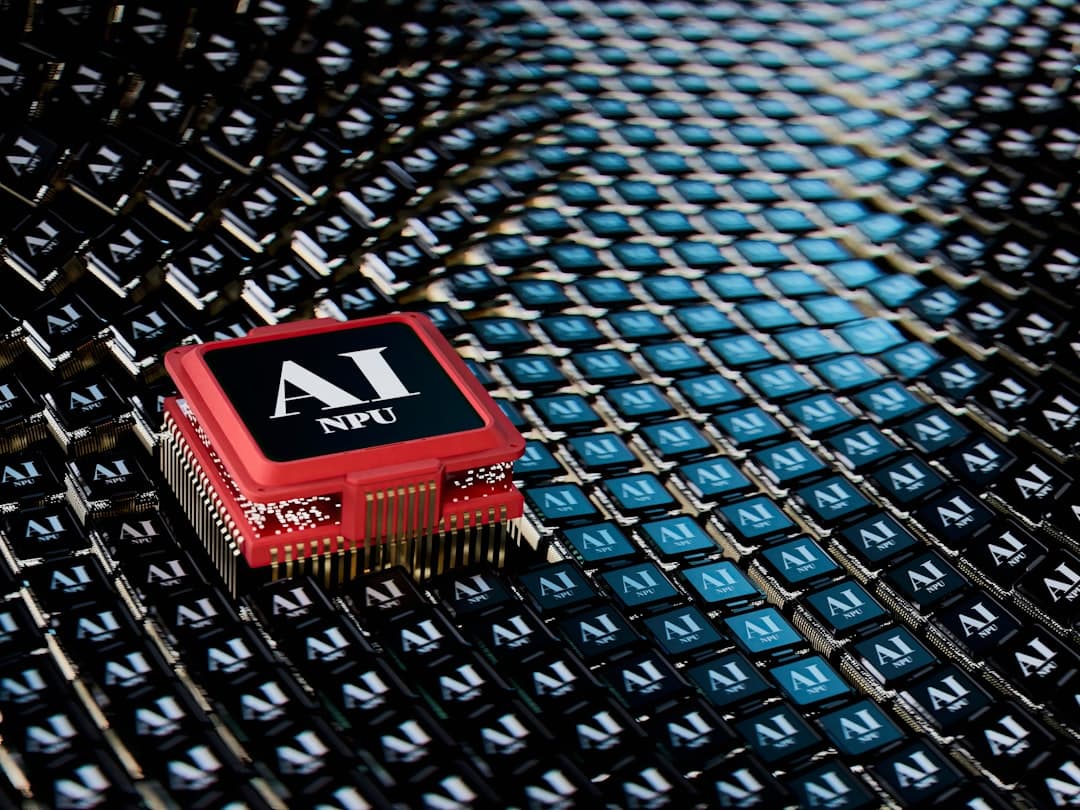
2026 AI Medical Diagnosis Analysis - FDA Approved 400 vs Human Doctors
Cognita AI achieves FDA Breakthrough Device designation with 94% lung nodule detection accuracy vs 65% for human doctors. AI medical diagnosis market set to surpass $45 billion in 2026.
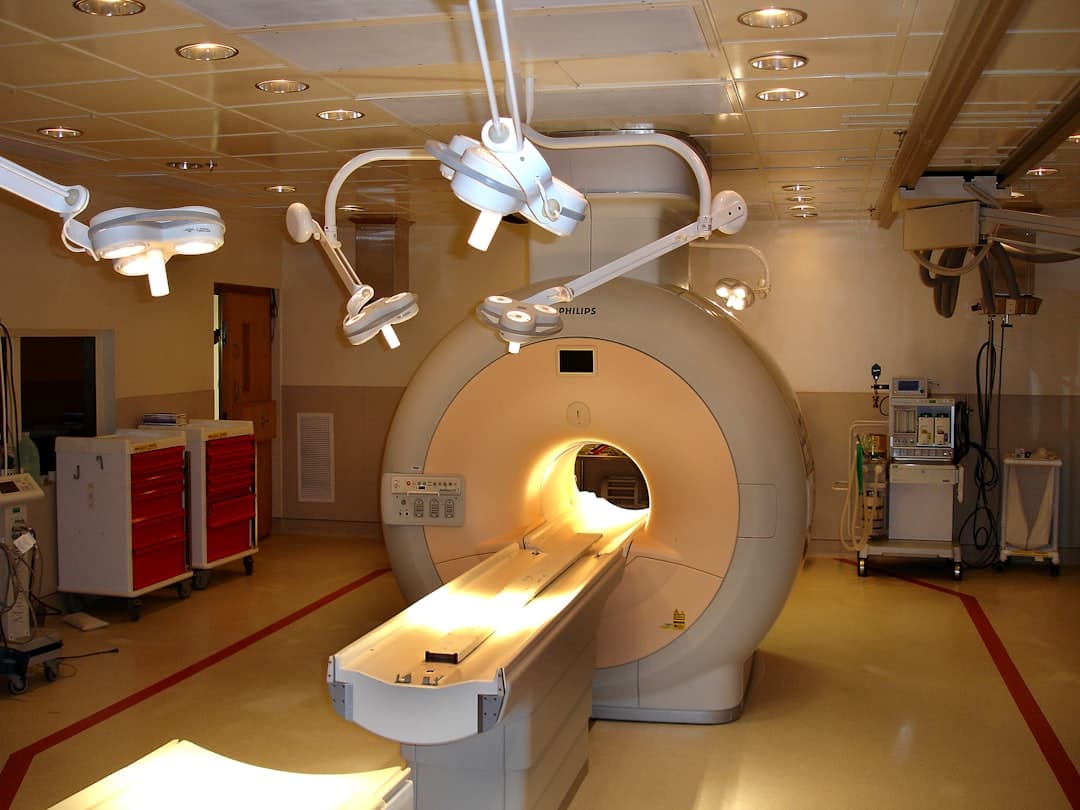
Will Doctors and AI Medical Diagnostics Clash in 2026? 400 FDA-Approved Algorithms: Can They Really Collaborate?
Have you ever wondered if the results of an X-ray taken at the hospital are accurate, or if there’s a judgment error from the doctor hidden within? Honestly, I felt that anxiety myself during my recent health check-up. But looking at the pace of AI technology development in the medical field recently, that anxiety might soon become a reality.
By 2026, there will be a staggering 400 AI medical diagnostic algorithms approved by the U.S. Food and Drug Administration (FDA). And did you know that a significant portion of these are focused on imaging diagnostics, such as X-rays and CT scans? Perhaps the moment you walk into the doctor's office and consult with a physician, AI is already analyzing your data.
AI Disrupts the Medical Imaging Analysis Market
The speed at which AI is transforming the medical market is astonishing. Recent research shows that AI-powered clinical decision support systems help improve diagnostic accuracy and reduce treatment time by leveraging vast amounts of medical data. Medical image analysis is one of the areas where AI is most actively applied, creating an effect like that of a skilled imaging radiologist focusing intently 24 hours a day.
When I first learned about AI medical technology, I was honestly skeptical. The question “Can AI replicate the experience and intuition of a human doctor?” lingered in my mind. However, examining specific examples changes your perspective. For instance, a report indicates that AI’s accuracy in detecting lung nodules is a remarkable 94%, while a human doctor’s accuracy is only 65%. Of course, AI isn’t superior to human doctors for all diseases, but the fact that it’s already surpassing human capabilities in specific areas is undeniable.
Recently, the FDA has been operating a "Breakthrough Device designation" program to support innovative medical technologies. The Cognita AI model was designated a breakthrough in March 2026, a clear example of how highly the FDA values the potential of AI medical technology.
The AI Medical Market Projected to Reach $45 Billion in 2026
The AI medical market is experiencing tremendous growth. According to market research firms, the AI medical market size is projected to exceed $45 billion by 2026. This massive market size will further encourage investment and development in AI medical technology, ultimately contributing to better healthcare services for patients.
However, alongside the advancement of AI medical technology, there are also challenges that need to be addressed. The European Union’s Artificial Intelligence Act will take effect in 2026, classifying medical AI as a high-risk group and mandating assessments for accuracy, explainability, and bias. This is an important measure to secure the safety and reliability of AI medical technology. The FDA is also updating its Quality Management System Regulation (QMSR) to strengthen the regulation of AI medical technology within the United States, in line with these changes.
Key AI Diagnostic Platforms: Who’s the Smartest?
Various AI diagnostic platforms are now being launched into the market. I’ve broken down the major platforms I’ve researched into tiers (Note: Tiers are classified as a combination of current market share, technology, and user reviews).
- S Tier: DeepMind (Google Health) – Leveraging outstanding technology and substantial capital, they are applying AI to various medical fields. However, there are concerns about data security and personal information protection.
- A Tier: Zebra Medical Vision – They have high recognition in the imaging analysis field and offer a variety of disease diagnostic solutions. The user interface is intuitive and easy to use.
- B Tier: Aidoc – An AI solutions provider for medical image analysis, particularly excelling in the emergency medical field. It supports rapid diagnosis and efficient patient management.
- C Tier: Paige.AI – Provides AI solutions specializing in the pathology diagnostics field. It analyzes digital pathology images to provide pathologists with the information needed for diagnosis.
- D Tier: Viz.ai – Offers an AI platform for stroke diagnosis, supporting rapid diagnosis and treatment. It’s still in its early stages, but has high growth potential.
Of course, each platform has its strengths and weaknesses, and other platforms may perform better in specific areas. The key is to understand the characteristics of each platform and select the solution that best suits your medical environment.
Conclusion: AI is Not a Replacement for Doctors
AI medical technology will undoubtedly bring revolutionary changes to the medical field. However, I don’t believe that AI will completely replace human doctors. AI is simply a tool to assist doctors’ diagnoses, and the final judgment still rests with humans.
While I was initially skeptical, I now believe that AI medical technology can greatly contribute to providing patients with better healthcare services. I will be watching how AI and doctors collaborate to create a better future. What are your thoughts?
Disclaimer: This article is for informational purposes only and does not constitute investment advice. Investment decisions should be made based on your own judgment and responsibility.