2026 Gaming Monitor Tier List - OLED vs Mini-LED vs IPS
144-240Hz OLED and Mini-LED panels dominate gaming monitors. Best gaming monitors paired with RTX 5090 GPUs for 4K ray-traced gameplay at high refresh rates.
2026 Gaming Monitor Tier List: OLED vs Mini-LED vs IPS - Which Technology Will Brighten Your Games?
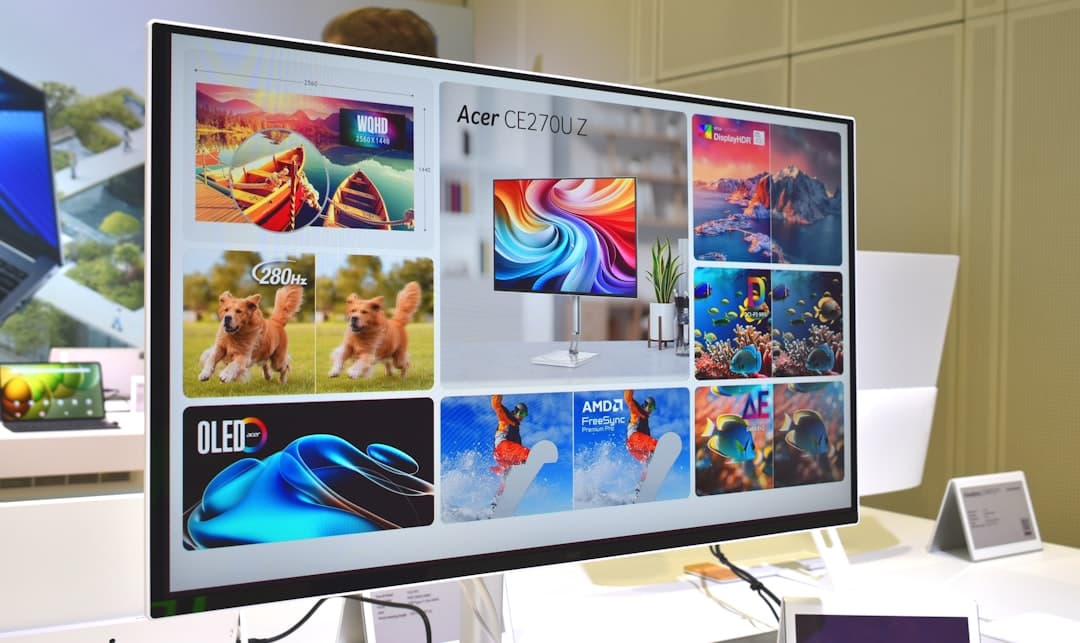
The gaming monitor market is constantly evolving. As of 2026, technological advancements have occurred much faster than imagined, and the selection has also widened. In particular, OLED, Mini-LED, and still-robust IPS panels have become the hottest topics of debate among gamers. It’s no longer simply about whether a display has “good” or “bad” image quality; understanding the strengths and weaknesses of each technology and choosing a monitor that suits you is important. This article will thoroughly analyze gaming monitors for 2026 by tier, drawing from reviews on TechSpot, RTINGS.com, Tom's Hardware, monitornerds.com, and propelrc.com, and will thoroughly analyze the products in each tier.
S Tier: The Ultimate Gaming Experience (Price Must Be Considered)
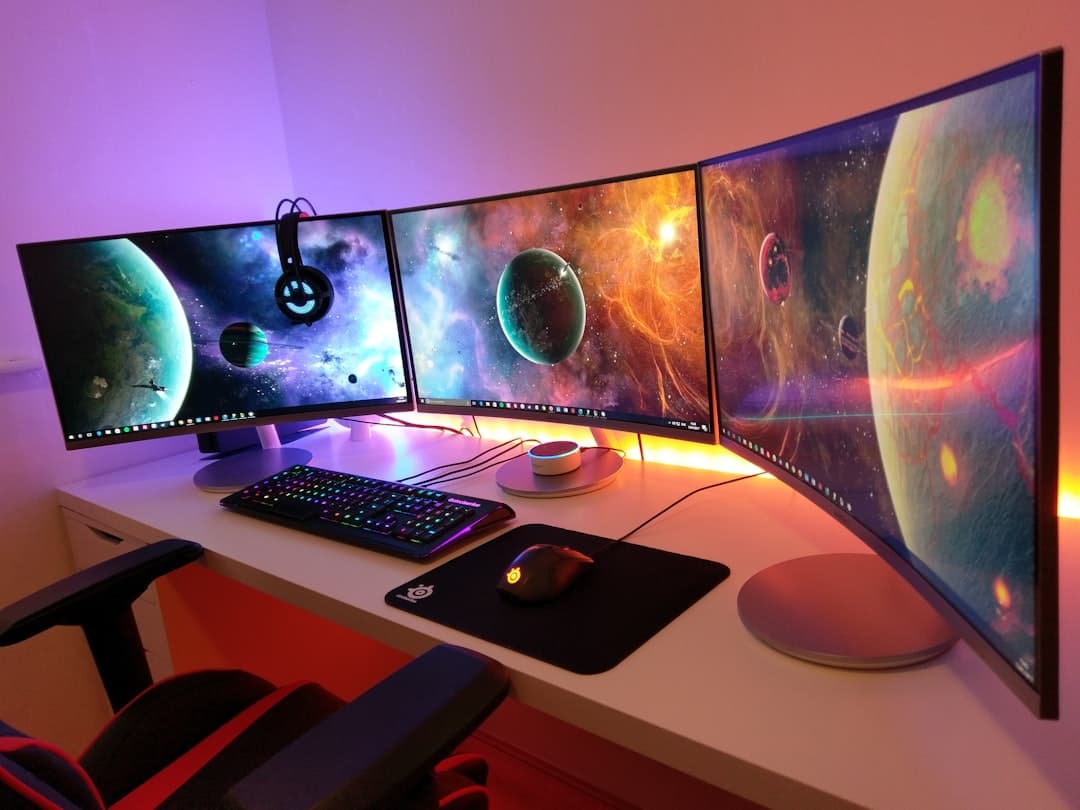
The S tier is a space for gamers who seek the absolute best performance, without compromise. This includes QD-OLEDs and top-of-the-line Mini-LED monitors that offer ultra-fast refresh rates above 240Hz and excellent HDR performance. Response times are a standard of 1ms or less, and tear-free, smooth screen transitions are standard.
ASUS ROG Swift OLED PG27UCDM: This monitor is currently one of the most recognized QD-OLED gaming monitors on the market. It has a 27-inch size, 4K resolution, 240Hz refresh rate, and a 1ms response time, offering overwhelming contrast and lively colors. QD-OLED combines the advantages of OLED—perfect black expression—with quantum dot technology to maximize color reproduction. However, concerns about burn-in still exist, and the price is not insignificant. (1800,000 KRW or more) [IMAGE: ASUS ROG Swift OLED | https://rog.asus.com/monitors/rog-swift-pg27udcm/]
LG UltraGear OLED 32GR95QE-B: The 32-inch large-screen OLED gaming monitor maximizes immersion. A 4K resolution, 240Hz refresh rate, and 0.1ms response time deliver the ultimate performance even in extreme gaming environments. It supports HDMI 2.1 ports, making it an attractive option for console gamers. Like the ASUS ROG Swift OLED, burn-in concerns and a high price are drawbacks. (1700,000 KRW or more) [IMAGE: LG UltraGear OLED 32GR95QE-B | https://www.lg.com/us/monitors]
Samsung Odyssey Neo G9: The 49-inch ultrawide resolution elevates the gaming experience to a whole new level. Applying Mini-LED backlight technology provides exceptional contrast and brightness, and it doesn’t miss fast screen transitions with a 240Hz refresh rate and 1ms response time. While less prone to burn-in than OLED, Mini-LED can still exhibit blooming. (2500,000 KRW or more) [IMAGE: Samsung Odyssey Neo G9 | https://www.samsung.com/us/monitors/gaming/odyssey-neo-g9/]
A Tier: A Balanced Choice for Premium Gaming
The A tier is a space for monitors that offer excellent performance while reducing the price burden compared to the S tier. It primarily features IPS and Mini-LED monitors with fast refresh rates between 144Hz and 240Hz and excellent response times. HDR performance is also commendable, providing a satisfying experience for most gamers.
Gigabyte M28U: Supports 28-inch size, 4K resolution, and a 144Hz refresh rate, and provides perfect compatibility with the latest consoles via HDMI 2.1 ports. Utilizing an IPS panel, it provides a wide viewing angle and accurate color reproduction, and fast response times deliver a screen free of ghosting. (1,200,000 KRW) [IMAGE: Gigabyte M28U | https://www.gigabyte.com/kr/monitor/m28u]
ASUS ROG Strix XG27UQ: Equipped with a 27-inch size, 4K resolution, and a 165Hz refresh rate IPS panel, it provides a clear and smooth screen. It is HDR600 certified, delivering excellent immersion when viewing HDR content. (1,100,000 KRW) [IMAGE: ASUS ROG Strix XG27UQ | https://rog.asus.com/monitors/rog-strix-xG27uq/]
B Tier: The New Standard for Value Gaming
The B tier is a space for products that provide essential gaming features at a reasonable price. It primarily features IPS and VA panel monitors with refresh rates between 120Hz and 165Hz and appropriate response times.
Acer Nitro XV282K KV: A cost-effective monitor featuring a 28-inch size, 4K resolution, and a 144Hz refresh rate IPS panel. It supports FreeSync Premium technology for excellent compatibility with AMD graphics cards. (800,000 KRW) [IMAGE: Acer Nitro XV282K KV | https://www.acer.com/monitors]
ViewSonic OCG-7555: Uses a 27-inch, 165Hz refresh rate VA panel, providing excellent contrast and a wide viewing angle. Supports Adaptive-Sync technology to minimize screen tearing. (600,000 KRW) [IMAGE: ViewSonic OCG-7555 | https://www.viewsoniceurope.com/eu/monitors]
C Tier: A Choice for Entry-Level Gamers
The C tier is a space for entry-level monitors for gamers with limited budgets. It provides basic performance and refresh rates between 60Hz and 120Hz, suitable for light games or general tasks.
MSI G2412: Features a 24-inch size, 144Hz refresh rate IPS panel, providing basic gaming functionality. Supports FreeSync technology to reduce screen tearing. (300,000 KRW) [IMAGE: MSI G2412 | https://www.msi.com/Monitor]
AOC C24G1: Equipped with a 24-inch size, 144Hz refresh rate VA panel and has increased immersion through a curved screen. (280,000 KRW) [IMAGE: AOC C24G1 | https://www.aoc.com/en-us/gaming-monitors]