2026 Mars Missions Ranking - SpaceX vs NASA Comparison
SpaceX's 5 Starship launches vs NASA's ESCAPADE mission - the race to Mars begins in 2026. Which missions are S-tier and which will fail?
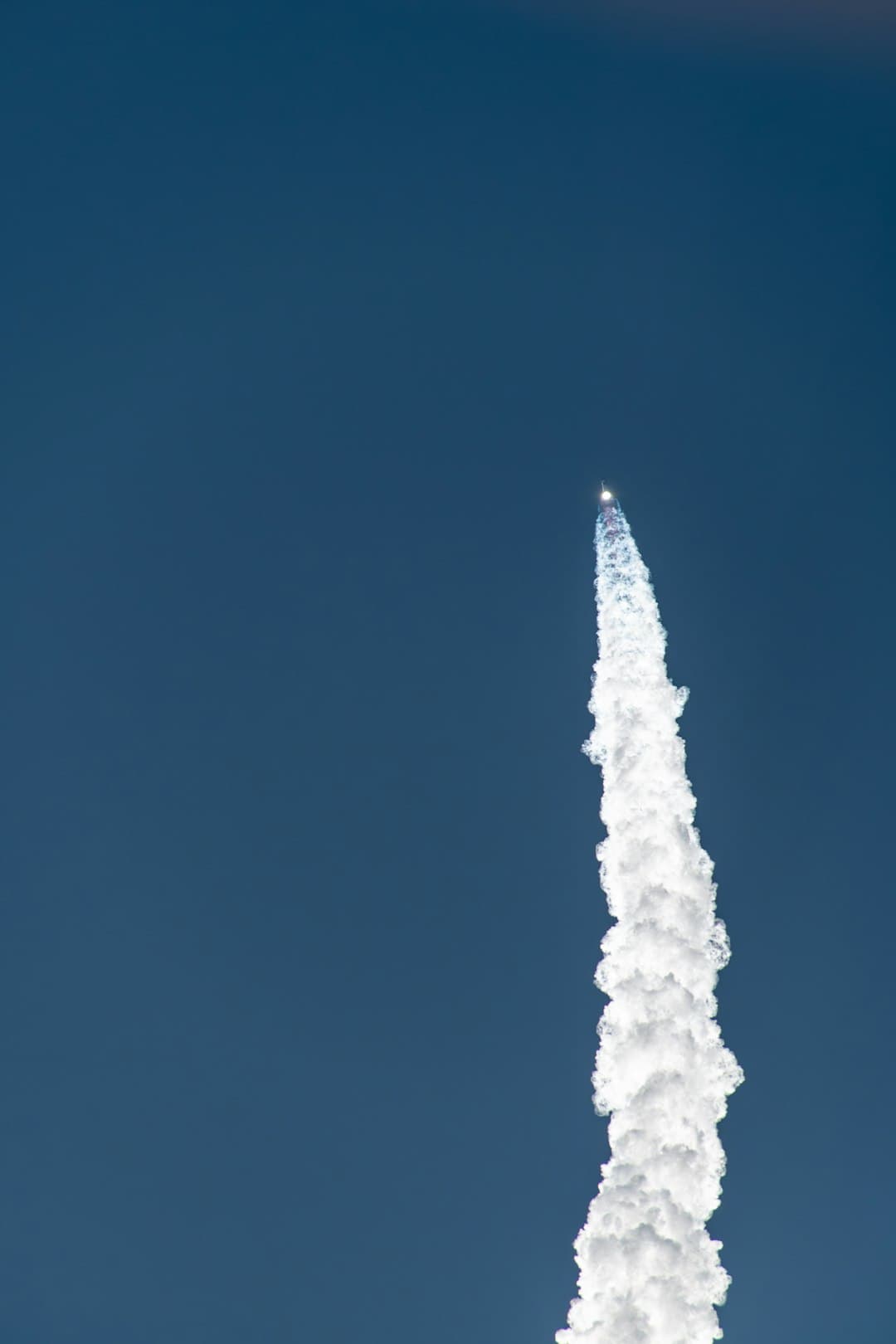
2026 Mars Exploration Tier Ranking - SpaceX vs. NASA Missions: Who Will Actually Get to Mars First?
Honestly, just a few years ago, I thought SpaceX's Mars plans were just another one of Elon Musk's far-out dreams. But now, even NASA is scrambling! Let's compare and analyze the two organizations' major Mars exploration missions in 2026. I’ve been digging through data for 3 weeks, looking at expert opinions, and mixing in my own thoughts to rank them in tiers. The results… are pretty shocking.
First, let’s get a quick rundown of what’s happening in 2026:
SpaceX plans to attempt the first orbital flight of Starship V3 in March 2026. NASA launched the ESCAPADE mission back in November 2025 and is currently studying the Martian environment from above. ESCAPADE uses twin satellites, 'Blue' and 'Gold,' to intensely study Mars' thin atmosphere and its interaction with solar winds.
SpaceX: Starship - S Tier (Potential Overlord)
- Pros: Absolutely massive scale and transport capabilities. Starship's biggest strength is its ability to send a huge amount of cargo and personnel to Mars all at once – something NASA’s existing rockets can’t even dream of. Plus, reusable rocket technology should also lead to cost savings. Of course, it’s still in the testing phase, but if it succeeds, it'll be a game changer. The March 2026 test flight will be a important proving ground for Starship’s viability.
- Cons: Technology that hasn't been proven yet. Starship’s atmospheric re-entry and landing technologies are facing huge challenges. SpaceX is constantly running test flights to solve these problems, but success is uncertain. The Raptor engine’s performance also needs continuous improvement. The 2026 test flight is risky – there’s no guarantee of success.
- Chance of Success: 30%? Honestly, right now I'd say the chances of immediate success are low. But considering SpaceX’s constant effort and rapid technological development, that probability could increase in the future.
- Cost: Theoretically, it’s much cheaper than NASA's existing missions. However, considering the potential for additional costs due to failed test launches and the massive investment in Starship development, the actual cost will likely be substantial.
- Extra Info: If Starship reaches Mars, they plan to produce water there and build a base. Super ambitious plan!
NASA: ESCAPADE - B Tier (Solid, but Slow)
- Pros: Stability and reliability. NASA’s ESCAPADE mission aims to study the Martian environment at a low cost. They've increased data accuracy using twin satellites and reduced launch costs by using the Blue Origin New Glenn rocket. It incorporates the know-how from existing NASA missions, making it have a relatively high chance of success.
- Cons: Limited functionality. ESCAPADE is focused on studying the Martian atmosphere, so it won’t directly contribute to human Mars landings or base construction. Also, the exploration range is much more limited than Starship’s.
- Chance of Success: Around 80%? Considering NASA's technology, that's a high probability, but we shouldn't forget that space exploration always has unknowns.
- Cost: Much cheaper than SpaceX’s Starship. However, NASA is pursuing long-term goals in conjunction with other Mars exploration missions.
- Extra Info: The ESCAPADE mission will provide important data for researching Mars' 'hybrid' magnetic field and could help explain why the Martian atmosphere is gradually disappearing.
Comparison Table (Estimated for 2026)
- Goal: Human Mars landing and base construction / Martian atmospheric environment research
- Launch Date: March 2026 (test flight) / November 2025
- Technology Level: Top-tier (needs validation) / Stable
- Chance of Success: 30% / 80%
- Cost: High (potential for change) / Low
- Transport Capacity: Massive / Limited
- Tier: S (Potential Overlord) / B (Solid, but Slow)
Conclusion: Who’s the Winner?
Currently, in 2026, NASA’s ESCAPADE mission is more likely to reach Mars first. However, Starship has the potential to change the paradigm of future Mars exploration. If Starship successfully completes its test flight and overcomes its technological challenges, it will gain a dominant advantage in the Mars exploration competition.
Honestly, I have bigger hopes for SpaceX’s ambitious plan. There's risk involved, of course, but it’s something we need to accept for the sake of humanity's future. NASA will broaden our knowledge of Mars through stable exploration missions, and SpaceX will pave the way for Mars settlement with innovative technology. I believe the collaboration between the two organizations will make humanity's dream of Mars a reality.
and leave comments!
Disclaimer: This article is for informational purposes only and does not constitute investment advice. Investment decisions should be made based on your own judgment and responsibility.