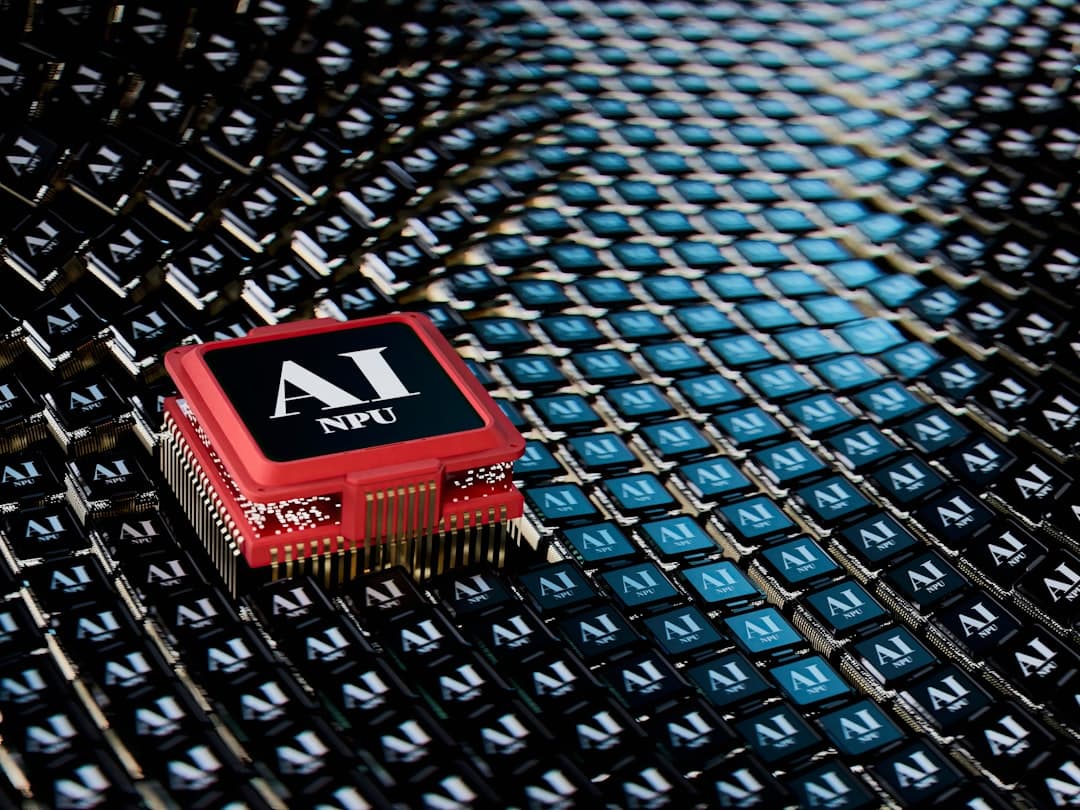
AI Semiconductor Market Outlook 2026 - Dawn of the Edge AI Era
The semiconductor market is set to surpass $1 trillion in 2026 as AI inference shifts from cloud to edge, with on-device AI market growing at 26% CAGR.
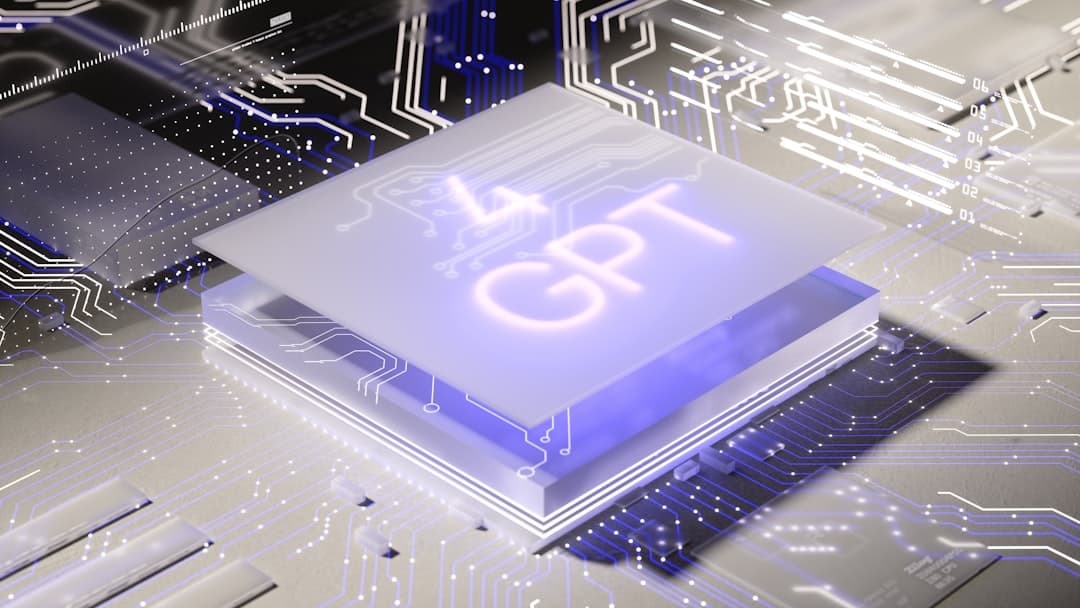
2026 AI Semiconductor Market Outlook – The Dawn of the Edge AI Era
Do you feel like the semiconductor industry is constantly in flux? Honestly, “growth” feels like an understatement. I predict 2026 will be a important year that shakes up the entire semiconductor market. It’s not just about making smaller chips; the key competitive advantage will be how efficiently you integrate and utilize the AI engine.
And there's a forecast that it will surpass $1 trillion by 2026. That's a staggering number. What’s even more interesting is that this figure represents the potential for technological innovation we're about to face, rather than just “semiconductors selling a lot.”
Market Size, Reaching for the Sky
Let’s put it simply with numbers: Various institutions forecast that the semiconductor market size in 2026 will exceed $1 trillion. Of course, the exact figures may vary due to several factors, but it's a very plausible figure if the current demand for high-performance chips like those for AI and electric vehicles continues. AI will undoubtedly play a important role in driving this market growth. It won’t just be about improving smartphone performance; we’ll see explosive growth in AI demand across various fields like autonomous driving, robotics, and healthcare.
However, as the market size grows, competition will inevitably intensify. Existing powerhouses like Samsung Electronics, TSMC, and Intel, as well as emerging companies like those in China, will fiercely compete to increase their market share.
From Cloud to Edge: A Massive Shift in AI Inference
Until now, most AI computations have been performed in the cloud. Data was sent to cloud servers, and AI models would return inference results. However, this process has led to various inconveniences, such as security concerns and increased latency. As a result, the trend of AI computation shifting from the cloud to the edge is accelerating.
Edge AI refers to performing AI computations “close to” where data is generated – that is, on-site. This means that various devices, such as smartphones, autonomous vehicles, and factory robots, will be able to perform AI functions independently. Therefore, the edge AI market is expected to grow even faster. It has the advantage of faster response times and enhanced personal information protection.
On-Device AI, Growing at an Average Annual Rate of 26%!
The core of edge AI is "on-device AI." This refers to the technology that embeds AI models directly into a device, allowing it to perform AI functions without a cloud connection. For example, when you take a photo with your smartphone, it performs tasks like portrait correction and scene recognition directly within the device.
The on-device AI market is expected to achieve a high average annual growth rate of 26% and grow into a substantial market by 2026. The emergence of new technologies like Apple Intelligence is further emphasizing the importance of on-device AI. The on-device LLM (Large Language Model) implemented in Qualcomm’s Snapdragon chipsets is also notable.
AI PC, Becoming the Standard
You’ve likely heard the term “AI PC.” It refers to incorporating AI functionality into existing PCs to enhance the user experience. By 2026, AI PCs have a high probability of becoming the de facto standard in the PC industry.
AI PCs offer a variety of benefits beyond simple performance improvements, such as personalized services, enhanced security, and increased battery efficiency. For example, they can analyze user work patterns to automatically apply optimized settings or detect and block malware attacks in real-time.
Emerging Technology Trends to Glimpse the Future
Of course, semiconductor technology is constantly evolving. What new technology trends can we expect to see in 2026? Here are a few noteworthy trends to keep an eye on:
- Neuromorphic Computing: A chip designed to mimic the way the human brain works, enabling AI computations with significantly less power than traditional semiconductors. While still in its early stages, we expect initial products demonstrating its potential to appear by 2026.
- HBM (High Bandwidth Memory): A memory technology designed to quickly transfer the data needed for high-performance AI computations. HBM technology will play a important role in maximizing the performance of AI chips, particularly in high-performance computing environments like graphics cards.
- Advanced Packaging Technology: A technology for arranging chips more compactly and efficiently and integrating various functions. Technologies like 2.5D and 3D packaging will be widely used and contribute to improving the performance and efficiency of AI chips.
The AI semiconductor market in 2026 will undergo an incredible transformation that's difficult to express in simple numbers. The advancement of edge AI, the growth of on-device AI, the standardization of AI PCs, and the emergence of new technologies like neuromorphic computing and HBM will enrich our lives. It’s important to continue paying attention to and witnessing these changes together.