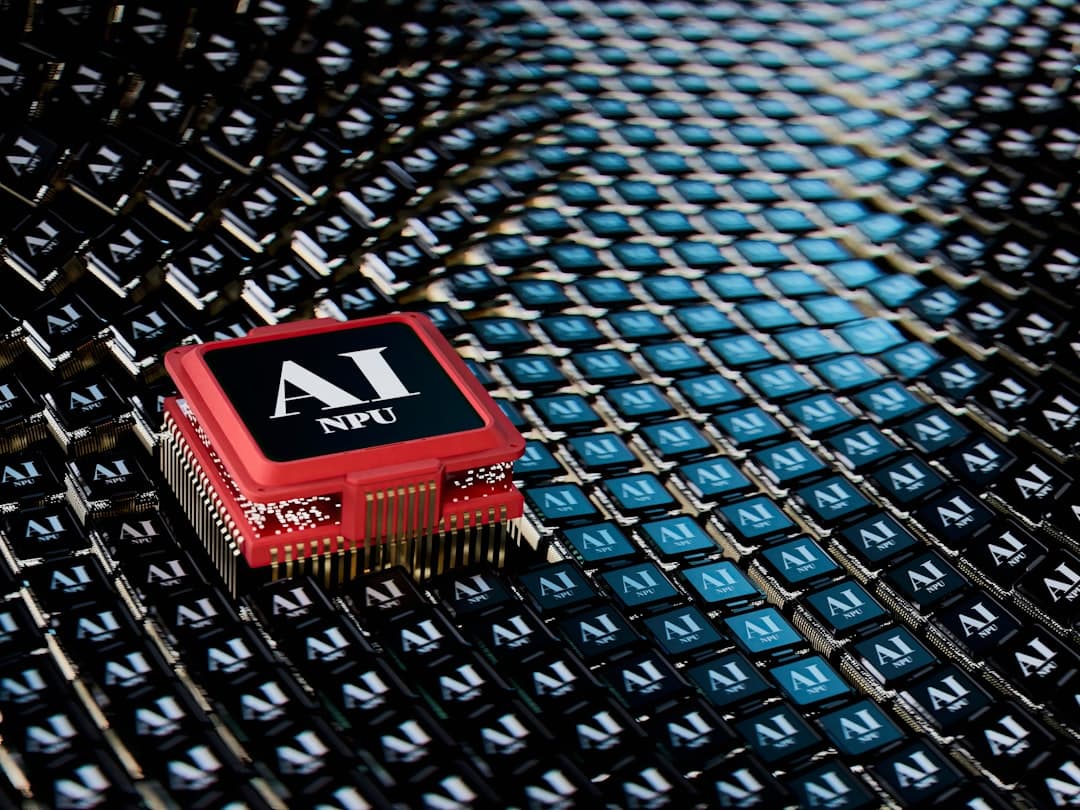
Peter Steinberger Joins OpenAI: The Future of Next-Generation Personal AI Agents
OpenClaw creator Peter Steinberger joined OpenAI in February 2026 to lead next-generation personal agent development. He has become a key figure in Sam Altman's emphasized 'multi-agent future.'
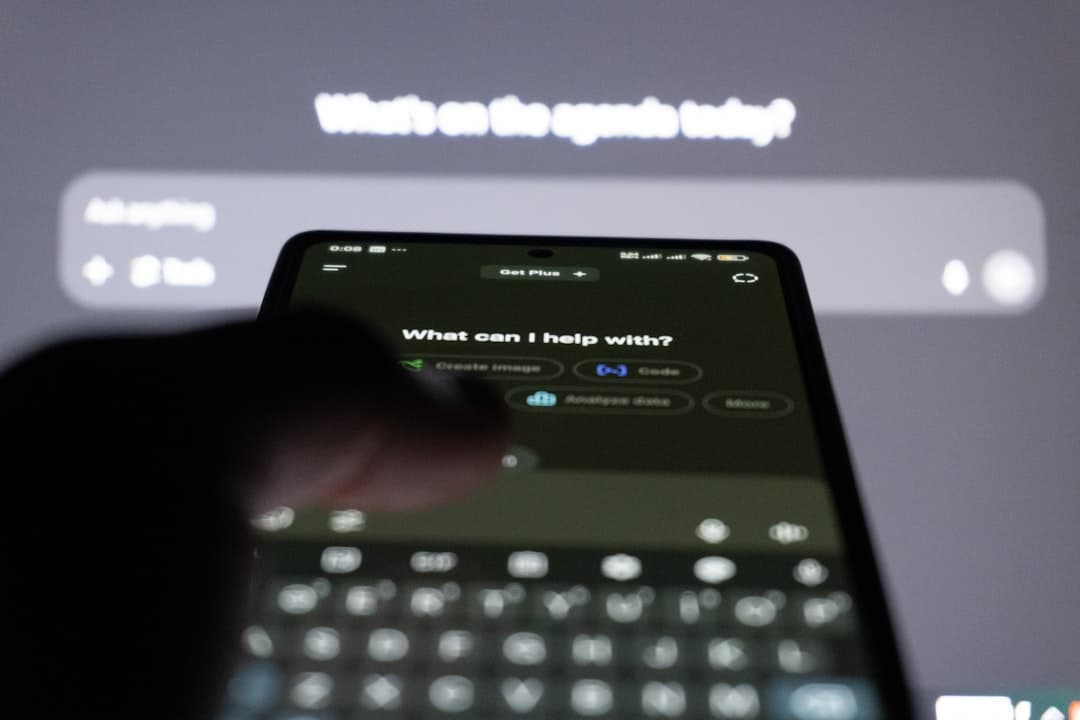
Peter Steinberger Joins OpenAI: The Future of Next-Generation Personal AI Agents
On February 14, 2026, a significant turning point arrived in the AI industry. Peter Steinberger, creator of the viral AI assistant OpenClaw, announced his joining OpenAI. OpenAI CEO Sam Altman praised Steinberger as "a genius who will drive the next generation of personal agents," introducing him as "someone with amazing ideas about the future of very smart agents interacting with each other to do very useful things for people." This recruitment goes beyond simple talent acquisition—it's a clear signal of the direction OpenAI will take in the personal AI agent market.
Peter Steinberger: The Austrian Developer Behind OpenClaw
Peter Steinberger is an Austrian software developer who gained attention through a project that began in November 2025 under the name Clawdbot. After transitioning through Moltbot to establish the OpenClaw brand, this platform gained explosive popularity in January 2026, proving demand among consumers and businesses for products that can autonomously complete tasks, make decisions, and act on behalf of users without constant human guidance.
Steinberger's vision wasn't simply to create AI that responds to commands. He presented his next goal as building "an agent that even my mum can use." This means creating accessible AI with lowered technical barriers, enabling anyone to automate complex workflows. OpenClaw operates through familiar messaging apps like WhatsApp, Telegram, Discord, and Slack, running locally on users' devices to ensure privacy.
OpenAI's Multi-Agent Future Strategy
Announcing Steinberger's recruitment, Altman emphasized that "the future is going to be extremely multi-agent, and it's important to us to support open source as part of that." This suggests OpenAI's strategic direction toward building an ecosystem where multiple agents cooperate and interact, beyond simply improving single AI model performance.
The core of multi-agent systems is that each agent specializes in specific tasks while being able to communicate and collaborate as needed. For example, one agent manages email, another adjusts calendars, and another performs research. They autonomously distribute roles and coordinate to achieve user goals.
Altman added that these capabilities will "quickly become core to our product offerings." This implies the first iterations of deeply integrated multi-agent features may appear within the ChatGPT ecosystem or through dedicated new apps before the end of 2026.
OpenClaw's Future: Transition to Open Source Foundation
With Steinberger's move to OpenAI, the OpenClaw project faces an important transition. OpenClaw will transfer to a foundation and continue operating as an open source project, with OpenAI providing ongoing support. This means OpenClaw can remain an independent, open platform continuing community-driven development.
This decision is strategic in several ways. First, OpenAI can accelerate innovation through collaboration with the open source ecosystem. The open source community plays a role in rapidly experimenting with and validating diverse use cases and integrations. Second, with OpenClaw operating as an independent foundation, OpenAI can gain trust in supporting a neutral platform not tied to specific corporate interests.
Third, Steinberger can directly apply lessons and insights learned from OpenClaw to OpenAI's internal projects. OpenClaw's success provides empirical data about what users actually want and which workflows are most valuable.
Intensifying Competition in Personal AI Agents
Steinberger's recruitment demonstrates that personal AI agent development is one of the most intense AI competition areas in 2026. OpenAI isn't alone in focusing on this market. Major AI companies including Google, Microsoft, Anthropic, and Meta are all making massive investments in agent technology.
One key prediction for 2026 is that "the AI assistant with the best memory and personalization will be incredibly sticky." An AI assistant that knows everything about you provides tremendous value and makes it difficult for users to switch to other platforms. This goes beyond simple feature competition to competing on the ability to build long-term user relationships.
OpenAI's strategy moves beyond chat interfaces toward AI agent networks that can act, coordinate, and transact on behalf of users. This represents a paradigm shift from reactive to proactive systems. Rather than waiting for users to issue commands, agents predict user needs and perform tasks in advance.
Core Elements of Next-Generation Personal Agents
Next-generation personal agents that Steinberger will develop at OpenAI are expected to possess several key elements.
First, multi-application integration. Personal agents must work across diverse services including email, calendars, messaging apps, CRM, and project management tools. Just as OpenClaw already integrates with Notion, Obsidian, GitHub, and Gmail, next-generation agents will support a broad ecosystem.
Second, contextual understanding and memory. Agents must remember and understand users' past behaviors, preferences, and goals. This goes beyond simply storing conversation history to include grasping work patterns, priorities, and even emotional states.
Third, autonomous decision-making. True personal agents don't request user approval at every step. They make autonomous decisions within trusted boundaries and only seek user confirmation for critical matters.
Fourth, inter-agent cooperation. Altman's emphasized future of "very smart agents interacting with each other" means transcending single-agent limitations. Multiple agents work in their respective specializations, share information when needed, and collaborate toward common goals.
The Dawn of the Personal AI Agent Era
Peter Steinberger's joining OpenAI confirms that personal AI agents are no longer experimental projects but have become core strategies for mainstream AI companies. OpenClaw's success proved that users want AI that actually works and automates workflows, beyond simple question-answer tools.
Based on Steinberger's vision and experience, OpenAI will build a multi-agent ecosystem and likely showcase new personal agent features by the end of 2026. This will fundamentally transform how AI integrates into our daily lives and work. In the future, AI assistants will not merely be tools that provide information, but true partners that think and act on our behalf. Peter Steinberger and OpenAI stand at the center of that future.
Disclaimer: This article is for informational purposes only and does not constitute investment advice. Investment decisions should be made based on your own judgment and responsibility.