Qualcomm Snapdragon 8 Elite Gen 2 vs Apple A19 Pro - On-Device AI Battle
2026 flagship chipsets prioritize on-device AI processing. Compare Qualcomm and Apple's latest processors and analyze which chip will be the winner in the AI era.
Qualcomm Snapdragon 8 Elite Gen 2 vs. Apple A19 Pro: On-Device AI Showdown!
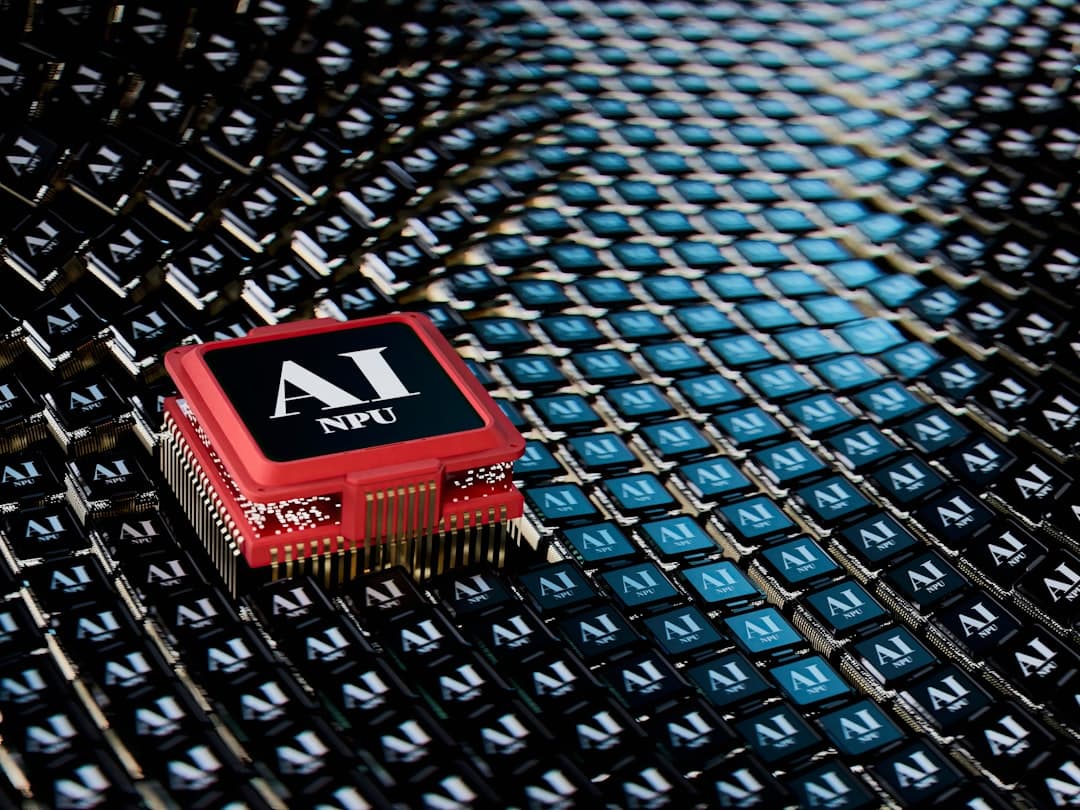
Have you heard the term "on-device AI"? It means performing AI computations directly within a smartphone, rather than simply sending data to a cloud server for AI functionality. It has emerged as an important indicator of smartphone performance in recent years. Especially, the competition for the latest chipsets targeting 2025 is becoming even more intense, centered around on-device AI performance. Qualcomm and Apple are indeed engaged in a thrilling race to lead AI technology, each leveraging their strengths. Today, we'll take a deep dive into comparing these two chipsets, the Qualcomm Snapdragon 8 Elite Gen 2 and the Apple A19 Pro, and glimpse into the future of AI experiences in smartphones. [IMAGE: Snapdragon 8 Elite Gen 2 | https://www.qualcomm.com/snapdragon]
Why is On-Device AI Important?
On-device AI is more than just a trend; it brings revolutionary changes in terms of user experience and privacy. Cloud-based AI suffers from latency during data transmission and carries the risk of personal information leaks. In contrast, on-device AI guarantees a faster response speed and eliminates worries about sensitive information being leaked externally. For example, features like real-time translation, image recognition, and AR/VR content can be enjoyed more comfortably through on-device AI. The ability to use AI features regardless of connection status is also a significant advantage.
Qualcomm Snapdragon 8 Elite Gen 2: Powerful Performance and Scalability
Qualcomm continues to demonstrate powerful performance through the Snapdragon 8 Elite Gen 2, as a leading company in the mobile AP market. This chipset is slated for flagship smartphones and tablets and is Qualcomm's top-tier product developed in the United States. The Snapdragon 8 Elite Gen 2 provides significantly improved CPU and GPU performance compared to the previous generation, particularly enhancing the performance of the NPU (Neural Processing Unit) specialized for AI computations. The NPU is responsible for running and inferring AI models. The NPU in the Snapdragon 8 Elite Gen 2 has outstanding efficiency and speed in various AI tasks. Qualcomm supports developers in easily developing and optimizing on-device AI apps through its AI framework. Qualcomm's strength lies in its scalability. Since various smartphone manufacturers can use Qualcomm chipsets, more users can experience the AI features of the Snapdragon 8 Elite Gen 2, which is a significant advantage.
[IMAGE: Apple A19 Pro | https://www.apple.com/ios/chip/a19-pro/]
Apple A19 Pro: Efficient AI Processing and Integrated Ecosystem
Apple is strengthening its own AI strategy through the A19 Pro chipset. The A19 Pro is perfectly integrated with Apple's iOS operating system, providing harmonious performance between hardware and software. Apple particularly supports developers in easily integrating AI features into iOS apps through its machine learning framework, Core ML. Core ML is optimized for Apple's hardware, providing outstanding performance and efficiency. The NPU in the A19 Pro has been shown to be 22% faster than the Snapdragon 8 Elite Gen 2 in certain AI tasks. Apple also prioritizes privacy and protects user data securely through on-device AI. Apple’s advantage lies in its strong ecosystem. Apple device users can conveniently utilize various apps and services leveraging the AI features of the A19 Pro.
Performance, NPU, and Real-World Examples: The Showdown
Directly comparing the performance of the two chipsets is difficult. Geekbench benchmark results show that the A19 Pro is 22% faster than the Snapdragon 8 Elite Gen 2 in single-core performance, but in actual usage environments, both chipsets deliver excellent performance. The important thing is the performance of the NPU. The Snapdragon 8 Elite Gen 2 has the advantage of being able to process more AI tasks simultaneously thanks to its more powerful NPU. For example, in situations where you are using real-time translation and image recognition features simultaneously, the Snapdragon 8 Elite Gen 2 can provide more stable performance. Conversely, the A19 Pro demonstrates outstanding efficiency in specific AI tasks through its seamless integration with Core ML. When using facial recognition features in an image editing app, the A19 Pro may operate faster and more accurately than the Snapdragon 8 Elite Gen 2. Ultimately, which chipset is better depends on the user's usage patterns and apps.
Looking at real-world examples, Snapdragon 8 Elite Gen 2-powered smartphones can run more complex AR games smoothly, while iPhones powered by the A19 Pro offer more intelligent editing features in the photos app. Also, the Snapdragon 8 Elite Gen 2 has the potential to be incorporated into smartphones from various manufacturers, allowing more users to experience high-performance AI features. Conversely, the A19 Pro provides a more perfectly integrated AI experience within the Apple ecosystem.
The on-device AI competition is expected to become even more intense in the future. Qualcomm and Apple will continue to develop new technologies and strive to provide users with even more innovative AI experiences.